



Nigerian Air Force Airstrikes Crush Fleeing Coup Plotters in Benin
By: Abudu Olalekan
Boom!
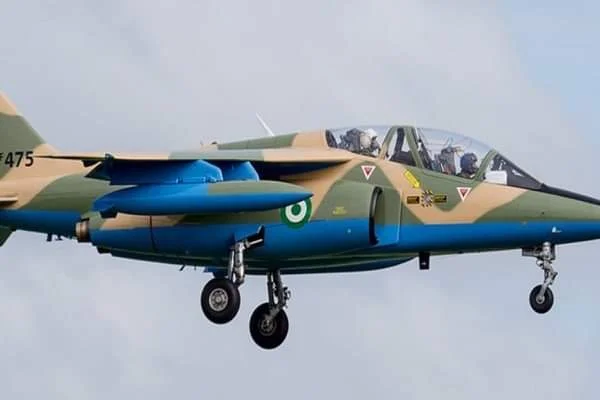
That’s the only word for it. While Cotonou was still reeling, the Nigerian Air Force made its move. Precision airstrikes. Multiple engagements. A surgical, 30-minute blitz targeting the very core of a fleeing rebellion. This wasn’t just a support mission. It was a statement.
According to an exclusive report from Reportersroom, confirmed by security analyst Zagazola Makama, Nigerian fighter jets executed coordinated strikes on armoured vehicles carrying elements of the foiled Benin Republic coup. The plotters were scrambling, trying to melt away after loyalist troops crushed their short-lived grab for power. They didn’t get far.
Let’s rewind a bit. The whole thing started with Lt. Pascal Tigri. He and his faction made their play, announced the dissolution of the government—the usual coup playbook. It didn’t last. Beninese loyalists fought back, regained control. But in the chaotic aftermath, key insurgents bolted. They headed south, a convoy of hardened men and heavy armour thinking they’d found an escape route.
They were wrong.
“The operation was meticulously planned and executed,” a source told Makama. Pretty formal language, right? But the action was anything but. Think of it: jets screaming in, not with blind rage, but with cold, calculated purpose. “Our objectives were clear: neutralize fleeing hostile elements, prevent regrouping, and restore stability in coordination with regional partners.” Every phase, they say, followed international protocols. Civilian safety a priority. Maximum impact on the target.
On the ground in Cotonou, it was pure sensory overload. Residents reported it first. Not through official briefings, but through the sounds and smells of war. Heavy explosions rupturing the air. Thick, dark plumes of smoke clawing at the sky. The kind of scene that tells you, without needing a news alert, that something definitive is happening.
Security sources confirm the strikes hit their mark. Hard. Several armoured vehicles were disabled, turned into smouldering scrap metal blocking the very roads the plotters hoped would be their salvation. Escape routes? Sealed shut. The result: multiple insurgents killed. A fleeing force abruptly, decisively stopped.
And here’s the crucial bit. This wasn’t Nigeria going rogue. This was done with the full consent of Beninese authorities. A rapid aerial deployment launched from a place of partnership. A top military officer put it in the official jargon: “The Nigerian Air Force remains committed to safeguarding regional security and protecting the sovereignty of neighbouring states.” But you can read between the lines. The subtext is simpler: We will not let this chaos spill over. Not on our doorstep.
“Our operations are intelligence-driven, precise, and aimed at preventing any spillover that could threaten our borders.”
So what does this all mean? Look, West Africa has seen its share of instability. Coups, threats, porous borders. This coordinated attack by Nigeria is one of the most decisive cross-border military actions in the region’s recent history. It signals a new, or at least reinvigorated, readiness from Abuja. A willingness to confront destabilising threats head-on, and fast, before they have a chance to grow roots and spread.
It’s a message written in jet trails and explosions. A message not just for the shattered remnants of Tigri’s faction, but for anyone else watching, thinking of testing the fragile peace in the region. The message is clear. If you try to break it, you won’t just face local forces. You’ll face a neighbour with the will, the kit, and the clear intention to strike back with overwhelming force.
The skies over Cotonou are quiet now. The smoke is clearing. But the echo of those strikes? That’s going to linger for a very, very long time.

Olalekan A. Abudu is a seasoned and dedicated News Journalist at REPORTERS ROOM, with over eight years of experience. He specializes in politics, climate change, health, and education, while also covering security, economic, and judicial issues. Committed to accuracy and balanced reporting, Olalekan exemplifies the principles of public-interest journalism.
