


Fuel Subsidy Savings Scandal – SERAP Drags Governors, Wike to Court Over N14 Trillion Mystery
By: Abudu Olalekan
Fuel Subsidy Scandal: SERAP Drags Governors, Wike to Court Over N14trn FAAC Spending
Something’s not adding up.
It’s been over a year since Nigeria pulled the plug on fuel subsidies, a major economic shift promised to free up trillions of naira. That move, back in May 2023, was meant to redirect the saved funds into fixing roads, schools, hospitals… you know, the basics.
But here we are. Still spinning in circles.
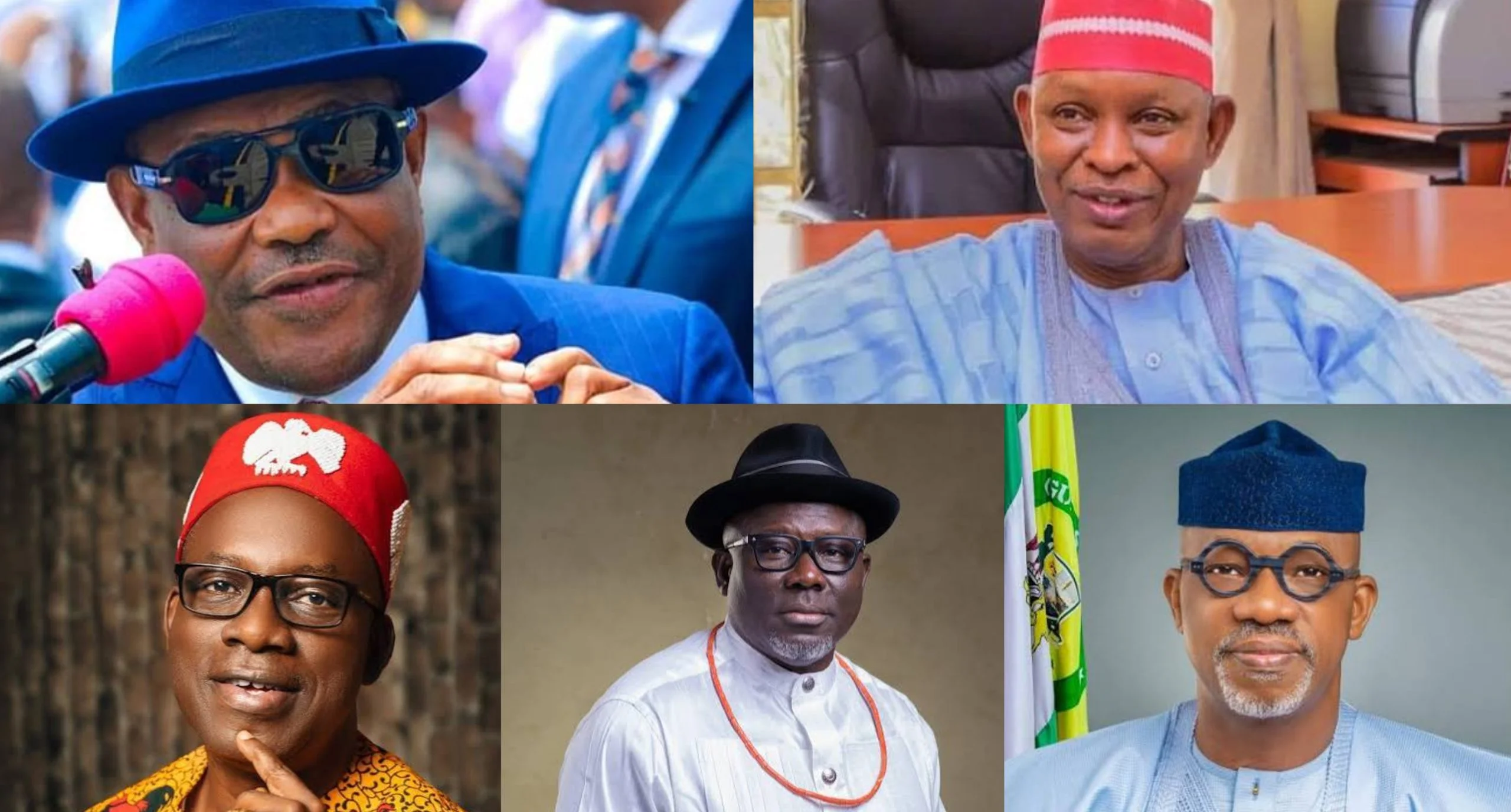
Now, the Socio-Economic Rights and Accountability Project (SERAP) is stepping in—again. This time, with a lawsuit. They’re hauling all 36 state governors and FCT Minister, Nyesom Wike, to court over what they’re calling a total blackout on how N14 trillion in subsidy savings has been spent. That’s not pocket change.
You’d think with that kind of money flowing into state accounts via the Federation Account Allocation Committee (FAAC), things would feel different. Less hunger. Better health care. More children in school. But for millions of ordinary Nigerians, life has only gotten tougher.
So, here’s what happened.
On December 26th, 2025, SERAP filed suit number FHC/L/MSC/1424/2025 at the Federal High Court in Lagos. Their demand? Simple. They want transparency. They want the governors and Wike to publish full details of how the money has been spent. Every naira. Every project.
Where did it go?
Which communities benefited?
Which roads were built?
Any hospitals? Classrooms?
Because so far, nothing’s clear.
In their court filings, SERAP didn’t mince words. They say it’s every Nigerian’s right to know how public funds are managed. And they’re leaning hard on both the Constitution and the Freedom of Information Act to argue their case.
They believe democracy thrives when people can see where their money’s going. Right now? That picture is blurred. And blurry spending—that’s a breeding ground for corruption.
Let’s be real.
There’s been chatter—loud and persistent—about funds being siphoned off for flashier things: luxury convoys, exotic trips abroad. Some state governments, it’s been alleged, are using these same “savings” to bankroll lifestyles that are worlds apart from what their citizens endure. All this while civil servants remain unpaid. Pensions are delayed. And hospitals go without basic supplies.
SERAP says the money was meant for the poor. Those hit hardest by the fuel subsidy removal.
They argue that transparency now would prevent what they call a “morally repugnant” situation—where citizens suffer twice: first from the subsidy removal, and then from not benefiting from the funds saved.
And they might have a point.
Data shows that FAAC shared N28.78 trillion in 2024 alone due to subsidy removal. Of that, states raked in over N5.2 trillion—a 45.5% bump. Yet, poverty is worse. People are asking: where’s the change we were promised?
In some states, it’s reported that the government still borrows to pay salaries. And despite the flood of funds, basic public services are still falling apart.
The suit, filed by SERAP lawyers Oluwakemi Agunbiade and Valentina Adegoke, sounds the alarm loud and clear: “There is a significant risk of mismanagement or diversion of funds…”
Transparency, they stress, isn’t optional anymore. It’s urgent.
According to the Supreme Court, the Freedom of Information Act does apply to state governments. So the usual excuse of “we’re not bound by it” won’t cut it anymore.
No hearing date has been locked in yet. But this? This lawsuit could blow the lid off something massive.
Because at the end of the day, it’s not just about figures or filings—it’s about the millions who are still waiting for help to show up.

Olalekan A. Abudu is a seasoned and dedicated News Journalist at REPORTERS ROOM, with over eight years of experience. He specializes in politics, climate change, health, and education, while also covering security, economic, and judicial issues. Committed to accuracy and balanced reporting, Olalekan exemplifies the principles of public-interest journalism.