


Terrorism In Nigeria: Ogun PDP Chieftain Slams Global Powers for Showing Up Too Late
By: Abudu Olalekan
The bombs fell. But for many in Nigeria, they came way too late.
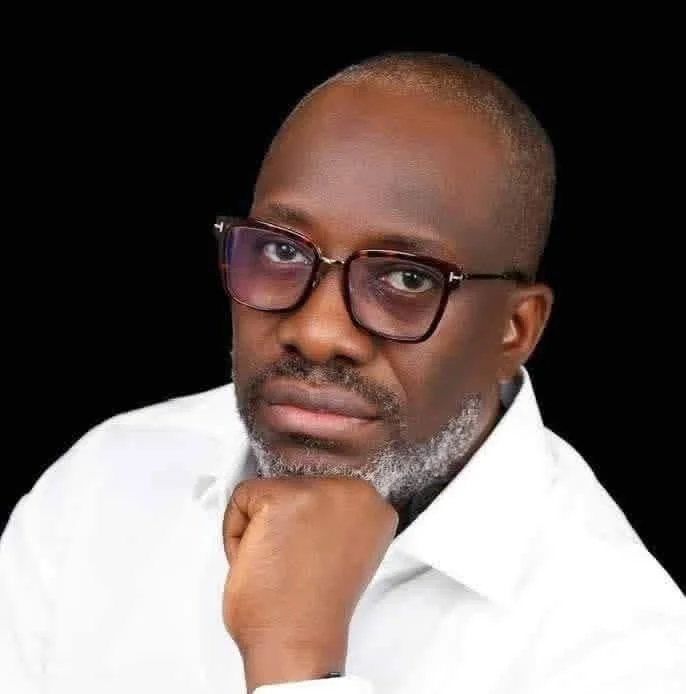
Segun Sowunmi, a top PDP voice from Ogun State, isn’t mincing words. He’s upset. Frustrated. And tired of global powers treating Nigerian lives like an afterthought. Speaking Sunday on Channels Television’s Sunday Politics, Sowunmi gave a blunt take on what many Nigerians have long whispered about in hushed tones—the world only acts when the fire spreads far enough to catch their attention.
“Let’s be honest,” he said, “the world came in too late. They have satellites, drones, eyes in the skies—they could’ve done something. Sooner.”
He was responding to recent U.S. airstrikes that reportedly hit militants in Nigeria’s north-west. The strikes, authorized directly by former U.S. President Donald Trump, shook the region and sent a global message. But for Sowunmi, it was all… just a bit too little and a bit too late.
Where was Britain? he asked. Or China—with their shiny infrastructure projects and quiet diplomacy? They said nothing. But when the heat reached full boil, it was Trump who flinched and said, “Enough is enough.” Sowunmi may not agree with Trump’s methods, but on this, he gives credit.
Thing is, it stings.
He compared the killing of these terrorists to losing wayward children. A strange analogy? Maybe. But it gives you a glimpse into the pain and complexity a lot of Nigerians feel. These are homegrown crises. But they’re being fixed—surgically—by outsiders with no emotional stake in the ground.
“Imagine,” he said, “if the U.S. had just launched missiles from the Gulf of Guinea without telling us. What would we have done? Do we even have the capacity to say no? To fight back?”
Let that sink in.
Nigeria’s security challenges didn’t just pop up overnight. For over a decade, towns in the north have lived in fear. Villages wiped out. Schools attacked. Churches burned. Cities rattled by explosions. And still, the help didn’t come. Until now.
On Christmas Day of all days, Trump announced the strikes. He called it retaliation for the attacks against Nigerian Christians—labeling them a “genocide.” Strong word. Sharply political. But it hit home for Christians who have felt under siege. Trump didn’t stop there. He warned of more strikes to come if the attacks persist.
Officially, Nigeria’s Ministry of Foreign Affairs later confirmed—yes, this was real. Legit. They said it was part of a structured partnership with the U.S. against terrorism and violent extremism.
But Sowunmi didn’t look convinced.
He warned against labeling terrorism in Nigeria along religious or ethnic lines. He said that’s a dangerous road. The real fight, he explained, is against criminals—not specifically against Muslims or Christians. “We can’t afford to see this through that lens. It’s about criminals. Period.”
He’s not wrong. In Nigeria, the lines get blurry fast. What began as ideological extremism has now turned into banditry, kidnapping rings, and ransom-driven violence. Kidnappers control forests. Terrorists hold territories. And ordinary Nigerians? They’re just trying to survive each day.
Some experts believe the delayed intervention by countries like the U.S. has more to do with geopolitical priorities than compassion. Africa remains low on the list unless it threatens global oil prices, trade routes—or becomes a brewing ground for terror linked to global networks.
It’s frustrating. It’s insulting.
For Sowunmi and millions of others, the lesson is loud. Nigeria has to build her own strength. Because, apparently, no one’s flying in to help until the whole house is already halfway burnt.
More reaction continues to pour in around the world. But for families who’ve buried loved ones year after year, the question remains: why now?
And why not when it really mattered?

Olalekan A. Abudu is a seasoned and dedicated News Journalist at REPORTERS ROOM, with over eight years of experience. He specializes in politics, climate change, health, and education, while also covering security, economic, and judicial issues. Committed to accuracy and balanced reporting, Olalekan exemplifies the principles of public-interest journalism.