


Canada Deports Nigerians: 366 Removed, 974 More in Removal Pipeline
By: Abudu Olalekan
Between January and October 2025, Canada deported 366 Nigerians with 974 awaiting removal as CBSA ramps up enforcement to fastest pace in over a decade.
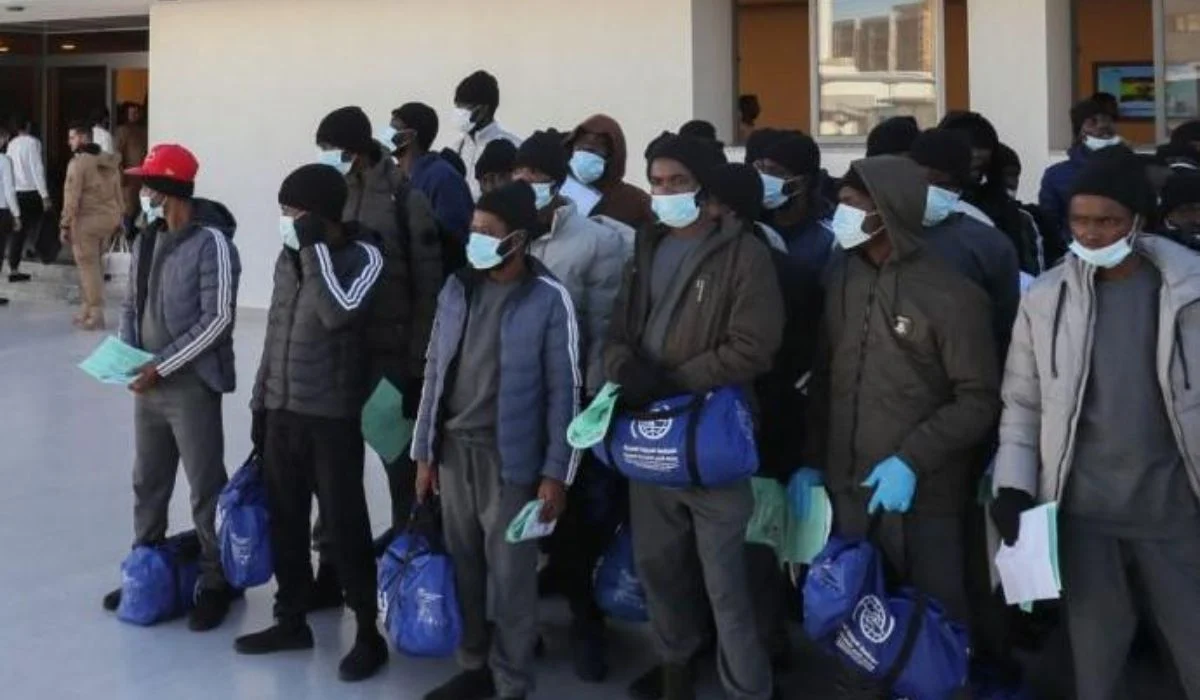
366 people. That’s the figure staring back from the CBSA spreadsheets Reportersroom obtained—last updated November 25. January through October 2025. Canada shipped 366 Nigerians out. And the pipeline is still full. Nine-hundred and seventy-four others marked “removal in progress,” sitting in detention facilities or living under reporting conditions, waiting for their flights back.
Nigeria had vanished from this list for two years straight. 2023, 2024—didn’t crack the top 10. But 2025 hit different. Suddenly Nigeria ranks 9th among nationalities being deported. The only African country in that entire bracket. Every other nation from the continent got lumped into “remaining nationals,” a vague category that swallowed 6,233 removals but kept Nigeria separate.
The trajectory is jarring when you look backwards. 2019 saw 339 Nigerians removed. Then the numbers slid downhill fast—302 in 2020, 242 in 2021, bottoming at just 199 in 2022. Everyone assumed the curve was flattening, that enforcement was getting lax. Wrong. The first ten months of 2025 already outpaced 2019 by 8%, and CBSA is now removing nearly 400 foreign nationals weekly across all nationalities—the fastest rate in over a decade.
They spent $78 million in fiscal year 2024-2025 to remove 18,048 people total. The machinery’s grinding harder than anyone remembers.
Ottawa’s reasoning hasn’t changed much. Housing shortages. Labour market pressures. Border security headaches. They’ve allocated an additional $30.5 million over three years just for removal operations, plus $1.3 billion for broader border security. The immigration targets are tightening significantly.
Under the Immigration and Refugee Protection Act, CBSA is legally obligated to execute any enforceable removal order. No discretion left on the table. Three categories exist: departure orders give you 30 days to leave; exclusion orders bar re-entry for one to five years; deportation orders slap a permanent ban unless you somehow obtain special authorisation later.
The breakdown of who’s leaving is stark—about 83% are failed refugee claimants. Only 4% involve actual criminality. Mostly asylum seekers whose claims died somewhere in the system.
Aisling Bondy, heading the Canadian Association of Refugee Lawyers, flagged Bill C-12—the controversial “border bill”—as potentially accelerating things further. One clause could permanently ban many from ever filing refugee claims again. “One of the clauses in that bill is that a lot of people will be permanently banned from filing a refugee claim in Canada,” Bondy explained to Reportersroom.
The leaderboard tells its own bleak story. Mexico tops with 3,972 deportations. India follows at 2,831. Haiti (2,012), Colombia (737), Romania (672), United States (656), Venezuela (562), China (385), then Nigeria (366), trailed closely by Pakistan (359).
For those awaiting removal, Nigeria sits 5th with 974 people currently in the inventory. Ahead of them: India (6,515), Mexico (4,650), US (1,704), China (1,430). Behind come Colombia (895), Pakistan (863), Haiti (741), Brazil (650), and Chile (621).
It’s a cruel irony. The 2021 Canadian census showed over 40,000 Nigerians migrated there between 2016-2021—making them the fifth-largest immigrant group globally and the biggest African contingent. Just the first four months of 2024 saw 6,600 arrive as permanent residents. Between 2005 and 2024, 71,459 Nigerians obtained Canadian citizenship, placing Nigeria 10th among source countries for new citizens.
Canada’s aging population screams for workers. Industries beg for skilled professionals. Students still flood Canadian universities every September. But the door? It’s getting heavier. Way heavier than it used to be.

Olalekan A. Abudu is a seasoned and dedicated News Journalist at REPORTERS ROOM, with over eight years of experience. He specializes in politics, climate change, health, and education, while also covering security, economic, and judicial issues. Committed to accuracy and balanced reporting, Olalekan exemplifies the principles of public-interest journalism.

