



Peter Obi in ADC: the Enugu switch that just shook Nigeria’s 2027 opposition math
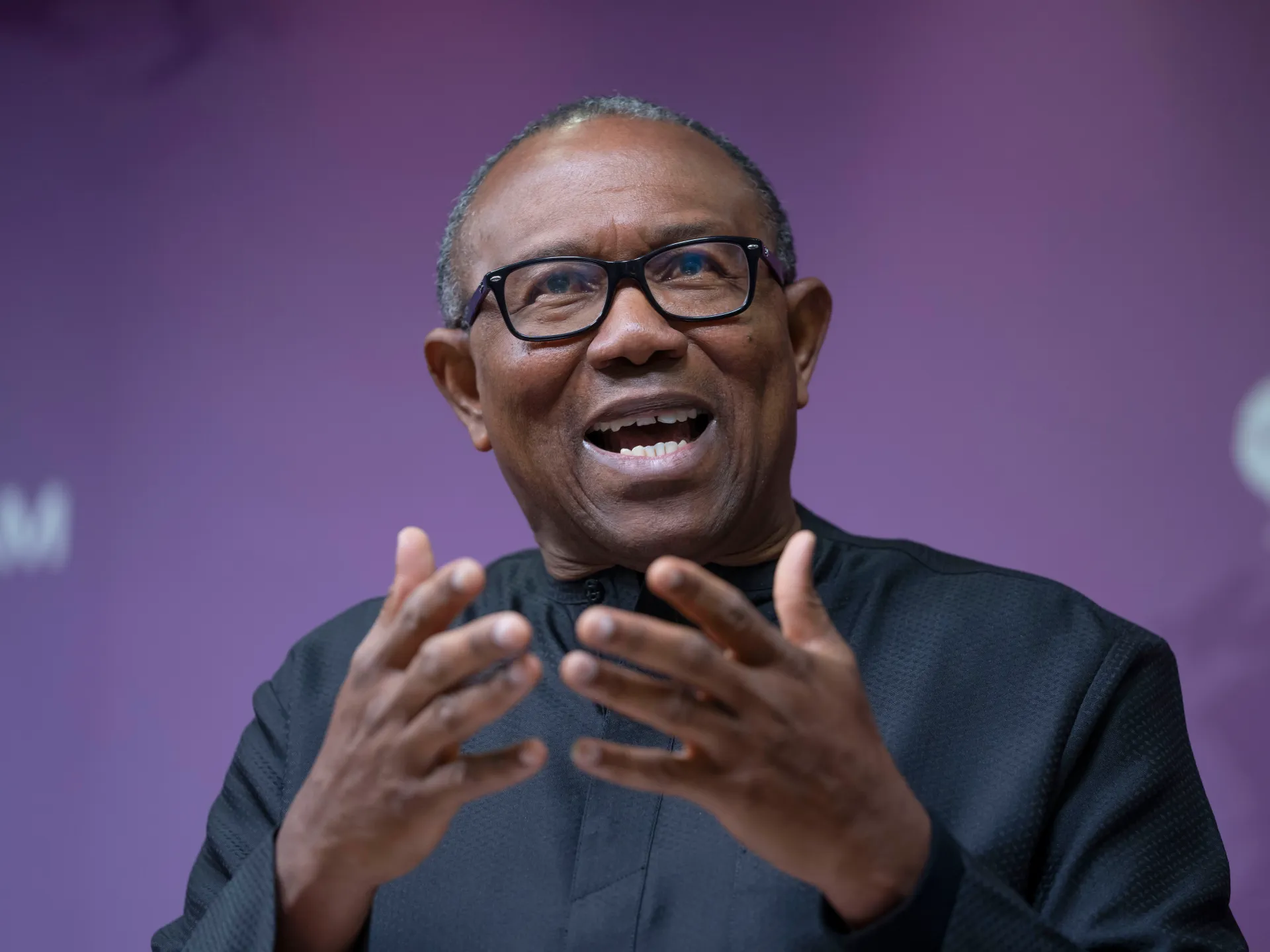
By: Abudu Olalekan
Something changed on December 31, 2025. You could feel it in the way people were suddenly cancelling trips, changing plans, calling friends. Quick calls. Longer whispers. Politics does that thing where it drags everybody into the room, even the ones pretending they’re not interested.
By the time Peter Obi finally said it out loud in Enugu—yes, he was leaving the Labour Party (LP) and stepping into the African Democratic Congress (ADC)—the tension had already been building for months. Some folks were shocked. Others acted like they saw it coming from a mile away. Either way, the opposition camp looked… relieved. Like they’d been holding their breath and didn’t even know it.
Because let’s be honest: the big question hanging over the opposition wasn’t just “who is popular?” It was “can these people actually stay together for five minutes?”
ADC’s current push is built like a throwback. A coalition model. The kind Nigerians remember from the APC build-up that powered the 2015 win, when multiple blocs merged, negotiated, traded structure for momentum, and rolled into Abuja with serious confidence. Some of the same political hands involved back then are around again now, so the mindset is familiar: repeat the blueprint, stitch the alliances, then face the ruling party with one umbrella.
But there was an elephant. A loud one. Peter Obi and the Obidient Movement.
Obi didn’t just run in 2023, he sparked a movement that refused to behave like a normal campaign. That energy made him valuable. And complicated. The coalition idea needed Obi, yet it also feared the big fight nobody wanted to start early: who gets the 2027 presidential ticket? People kept pointing at Atiku Abubakar, and muttering that ADC had his “signature” on it. Whether fair or not, that perception grew legs. Obi’s camp didn’t like it. Not one bit.
And the numbers are the reason they talk tough. In the 2023 election, Obi won 12 states and scored over six million votes. Same number of states as the APC, by the way. Atiku, on his part, pulled 6,984,520 votes, while Obi had 6,101,533. Combine them and you’re looking at 13,086,053 votes—well ahead of Bola Tinubu’s 8,794,726. Cold arithmetic. Hard to ignore.
So for months, Obi’s hesitation became oxygen for the ruling party and a headache for the coalition. The longer it dragged, the more it looked like the whole thing might stall over ambition. Tickets. Ego. The usual.
Then Enugu happened. And the mood flipped fast.
Obi’s speech was short on fluff and heavy on urgency. He talked about unity, about “national peril,” about refusing to stay silent when the country is hurting. He also called on supporters, allies, and the Obidient base to plug into the ADC coalition led by Senator David Mark. It was direct. Almost sharp.
Behind the scenes, ADC voices insisted the coalition wasn’t ready to start sharing tickets like party souvenirs. The line was basically: build the structure first, argue about candidacy later. There were also mentions of the National Opposition Movement (NOM) urging leaders to park the zoning and ticket debate for now. Keep it on ice. Because anyone pushing it too early could be doing the ruling party’s work for them. That’s the suspicion, anyway.
Obi’s camp, reportedly, took comfort from that “fairness” promise. Not a guarantee. But a signal. And in politics, signals are currency.
The Enugu gathering itself was packed with symbolism and bodies—party leaders, activists, community figures, old power names and fresh movement energy. There were declarations, motions, applause that came in waves. Even the tone felt like a reset: less panic, more purpose. At least for now.
Still, the hard part doesn’t vanish because one man crossed over on New Year’s Eve.
If Obi and Atiku truly end up under the same roof, ADC will have to master two things Nigerians have seen destroy coalitions before: ambition management and position sharing. Those twin troubles don’t forgive mistakes. They don’t.
For the opposition, though, Obi’s move answers one immediate question: can the coalition hold a center long enough to look like a real threat in 2027? Today, it looks more possible than it did last week. Simple as that.

Olalekan A. Abudu is a seasoned and dedicated News Journalist at REPORTERS ROOM, with over eight years of experience. He specializes in politics, climate change, health, and education, while also covering security, economic, and judicial issues. Committed to accuracy and balanced reporting, Olalekan exemplifies the principles of public-interest journalism.
