


Fossil Fuel Treaty: Ghana Sparks Crucial National Dialogue on Just Transition
By: Abudu Olalekan
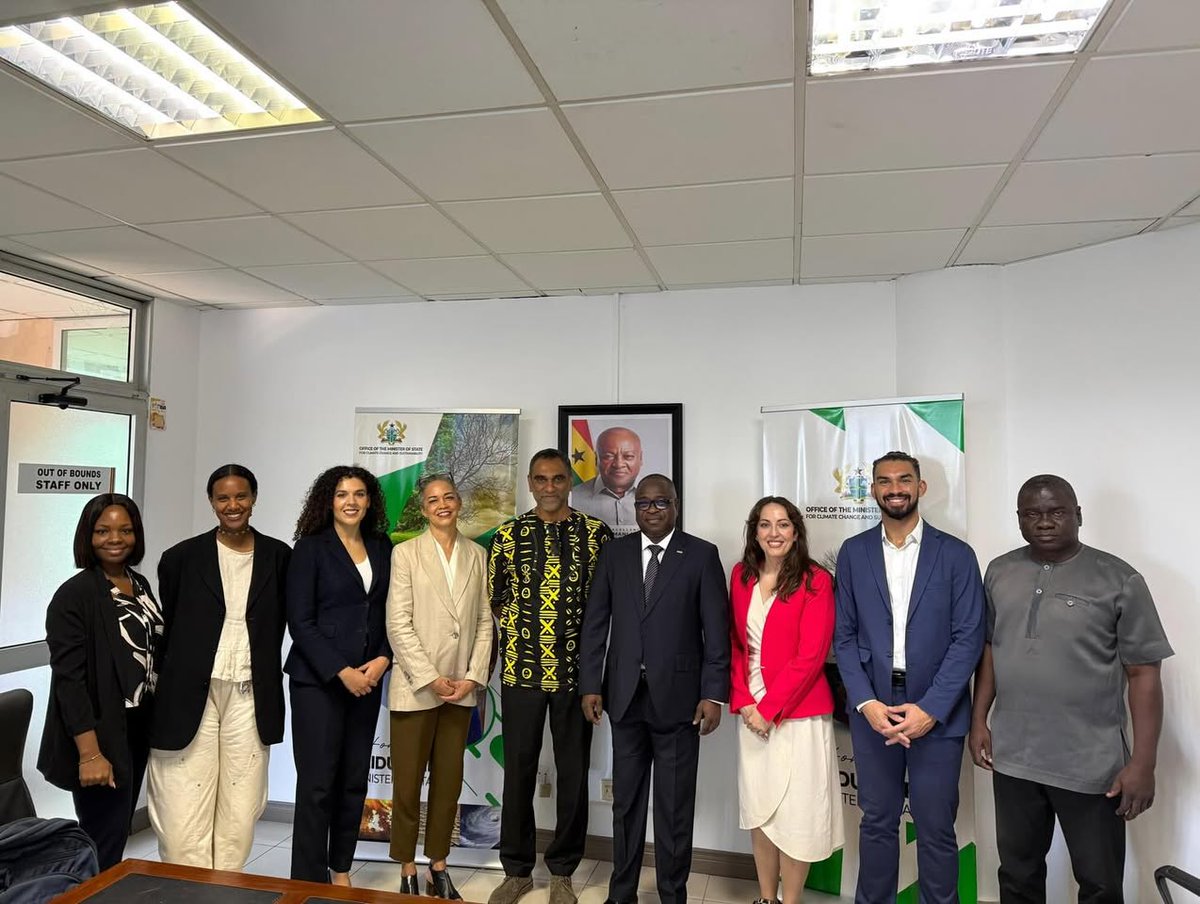
Accra was buzzing last Thursday. Seriously, the kind of buzz that signals real change might be brewing. On January 29, 2026, Ghana’s Ministry of Climate Change and Sustainability, spearheaded by Minister Seidu Issifu, pulled off a high-stakes High-Level National Dialogue—a powwow that didn’t just talk about the future but aimed to shape it. Forget boring conferences filled with jargon. This one? Packed with government bigwigs, oil and gas execs, bankers, academics, and even grassroots reps—all crammed into a room wrestling with one massive question: How does Ghana ditch fossil fuels without leaving anyone behind?
And yeah, the Fossil Fuel Treaty Initiative was right there in the thick of it.
Let’s be real: the world’s climate clock is ticking louder every year. While wealthy nations debate when to quit oil and gas, countries like Ghana are already drowning—literally and financially. Coastal erosion eats away at communities, farms bake under relentless heat, and the nation’s crippling debt makes adapting feel like climbing a mountain in flip-flops. Enter the Fossil Fuel Treaty. Think of it as a global handshake agreement: a legally-binding deal to manage the orderly decline of fossil fuels, while pumping finance, tech, and fairness into vulnerable nations. No more chaotic, everyone-for-themselves transitions.
Ghana didn’t just host this dialogue—they’re making a power move. With the First International Conference on Transitioning Away from Fossil Fuels (hosted by Colombia and The Netherlands this April) looming, Accra sent a clear message: Africa won’t be an afterthought.
“We’re not here to watch,” Minister Issifu declared, his voice cutting through the humid Accra air. “Ghana welcomes the Fossil Fuel Treaty idea. But listen—African priorities MUST lead. We need transition cash now, not promises. We need tech handed over, not locked behind patents. And debt relief? Non-negotiable. If this treaty doesn’t put people like our farmers and fisherfolk first, it’s just another empty slogan.”
Oof. Truth bomb.
Kumi Naidoo, head of the Fossil Fuel Treaty Initiative, nodded hard. “Ghana’s stepping up shows Africa refuses to be sidelined,” he stressed. “This isn’t charity—it’s justice. When rich nations burned fossil fuels for 150 years to get wealthy, they created this mess. Now? They gotta help clean it up and help us leapfrog straight to renewables. Simple as that.”
Hubert Zan, Ghana’s top climate negotiator, got technical—but refreshingly human. “Look,” he said, leaning in, “a Fossil Fuel Treaty is doable. We’ve got 18 countries already talking—Pacific islands, Caribbean nations, folks in Latin America and Southeast Asia. They’re screaming, ‘We’re sinking!’ Ghana’s joining them means Africa’s voice gets louder. The treaty’s backbone? Three pillars:
Stop digging new holes. No more new fossil fuel projects. Period.
Manage the decline fairly. Wealthy countries quit fossil fuels first and fastest.
Finance the transition. Cash + tech for workers, communities, and nations that rely on oil/gas jobs.
Miss one pillar? The whole thing collapses. It’s not rocket science—it’s survival.”
Zan’s got a point. Imagine a coal miner in Tarkwa. You can’t just shut the mine tomorrow. You gotta train ‘em to install solar panels. That costs money. Lots. Who pays? That’s where the Treaty’s cash engine kicks in.
Why does Ghana’s move matter SO much right now?
Africa’s on the frontlines. Climate disasters here hit harder and faster. Yet, we contribute least to the problem. Justice demands we get the biggest slice of transition pie.
Debt is choking us. Ghana’s recent IMF bailout? A band-aid. A Fossil Fuel Treaty could tie debt relief to green transitions—finally turning climate action into economic relief.
Global rules need African DNA. Treaties cooked up only in European or American boardrooms ignore realities on the ground here. Ghana’s dialogue ensured local voices—fishermen from Elmina, cocoa farmers from Ashanti—weren’t just tokens.
One participant, a young renewable energy entrepreneur, put it bluntly after the session: “We’ve been begging for handouts. This treaty? It’s our leverage. Time to negotiate from strength, not desperation.”
The road ahead ain’t smooth. Big oil companies won’t roll over quietly. Some rich nations still whisper, “We’ll pay… maybe… someday.” But as Minister Issifu fired up the closing session:
“Slogans won’t save our coasts. Diplomacy without cash is noise. We need courage—political courage—to demand what’s right. This treaty? It’s the lifeline. And Ghana will grab it.”
The dialogue ended not with a dry communiqué, but with a palpable buzz—a sense that Accra might just have lit the fuse for Africa’s seat at the global transition table.
Reportersroom will keep tracking this. Because when it comes to a just transition—every step counts. Every voice matters.

Olalekan A. Abudu is a seasoned and dedicated News Journalist at REPORTERS ROOM, with over eight years of experience. He specializes in politics, climate change, health, and education, while also covering security, economic, and judicial issues. Committed to accuracy and balanced reporting, Olalekan exemplifies the principles of public-interest journalism.

