



Reps to ‘lift the hood’ on airport, seaport deals, ask if Nigeria really got its money’s worth
by: Oluwaseun M. Lawal
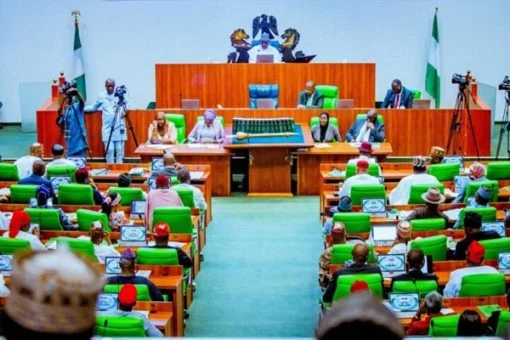
The House of Representatives settled into their seats on Tuesday, it was clear they were not gathered for routine talk. They were there to ask a simple but very uncomfortable question: for almost twenty years of airport and seaport concessions, has Nigeria been short‑changed or not?
Speaker Tajudeen Abbas set the tone himself. Calm voice. Firm words. This probe, he explained, is not about chasing investors away or demonising the private sector. The House still wants private capital. It still believes in partnerships. But, he added, Parliament also has a duty that it cannot outsource to anybody: to check if critical national assets are being managed in the interest of the people, or just in the interest of a few.
The ad hoc committee, he reminded the room, carries a heavy brief. It is mandated to look back all the way to 2006 and move year by year up to 2025. Every concession agreement touching on federal airports, seaports, terminals and linked shipping activities will go under the microscope. Not just the glossy signing ceremonies. The performance, the money, the obligations. All of it.
Back when government first decided to concession these assets, the logic sounded neat. Let private operators bring in cash. Let them modernise runways and terminals, upgrade port equipment, speed up cargo handling, improve customer experience. In return, government would collect fees, get more revenue, and escape the daily headache of running ports and airports. In theory, everybody should win.
Almost two decades later, Abbas suggested, it is time to stop assuming and start measuring. Did efficiency really improve? Are our ports truly more competitive? Did government revenues rise the way the original projections promised? Or did the country quietly lose ground while nobody was paying enough attention.
“For the avoidance of doubt,” he said, choosing his words carefully, “this exercise is not meant to undermine any legitimate private participation.” It is simply Parliament doing what the Constitution told it to do — oversight, accountability, and the protection of national interest. Nigerians, he insisted, deserve to know if these deals met their targets, protected public assets, created proper jobs, and actually contributed to growth, instead of just looking good on PowerPoint slides.
The scope handed to the committee is wide, almost intimidating. Members will comb through the terms and conditions of all the concession contracts signed between 2006 and 2025. They will check revenue flows and remittances — what was supposed to come to the Federal Government and its agencies, and what actually came. They will review compliance with regulatory rules, safety standards and every major contractual obligation the concessionaires signed up to.
It does not stop at the paperwork. The committee has also been asked to look at real‑world outcomes: quality of infrastructure, speed and reliability of operations, level of service passengers and port users are getting, and even labour issues affecting workers on the ground. In other words, not just how the agreements read, but how they feel in practice.
From there, lawmakers are expected to draw up a map of the problems: the loopholes, the gaps, the weak enforcement, the political interference, anything that has made the framework less effective than it should be. And then, perhaps the hardest part, they must recommend concrete fixes — changes to law, policy, and even the way future concessions are designed.
Facing the committee members, Abbas was blunt. The House, he said, has placed a lot of trust in their integrity and patriotism. They are expected to work with facts, documents, and evidence, not gossip or prior bias. They must be fair to all sides, investors and agencies alike, but still firm in defending public assets and public trust. It is a delicate balance, and the Speaker did not pretend otherwise.
He urged them to open their doors to everyone involved — regulators, operators, workers, users — and to make sure proceedings remain thorough and transparent. No rush to pre‑written conclusions. No back‑door ambushes. At the end of the day, he argued, their findings should help strengthen how Nigeria runs its transport and maritime sectors, not just make headlines for a week.
In his words, whatever comes out of this investigation will do more than decide the fate of a few contracts. It will shape how Nigerians view concessioning and public‑private partnerships in general. If people do not trust that these deals are fair, accountable and properly supervised, then future reforms in other sectors will struggle to gain support. “History will judge us,” he reminded them quietly, “by how faithfully we discharge this responsibility.”
When it was his turn to speak, the chairman of the committee, Hon. Kolawole Akinlayo from Ekiti, pulled the curtain back a little on why the House felt this probe had become urgent. Over the years, he said, complaints have piled up — about opaque agreements, poor transparency, weaker than expected performance and questions over whether the country is really getting value from assets that are not just any kind of property.
These places, he stressed, are not ordinary businesses. A seaport is a sovereign gate. An airport is both a commercial hub and a security outpost. Terminals and jetties are lifelines for trade, mobility and fuel supply. When they work well, the economy breathes easier. When they clog up, whole industries suffer. So, the committee’s job is not academic; it touches everyday life.
Akinlayo explained that the panel will sit down with virtually every major player in the chain: the Nigerian Ports Authority, concession companies, NIMASA, Customs, the upstream petroleum regulator, the Bureau of Public Procurement, Shippers’ Council, operators of crude oil and gas terminals, vessel owners and charterers, importers, shipping lines, even the banks that finance some of these operations. It is a long list, and he almost seemed to admit that the task look huge.
Their focus, he said, will be on whether the law is being obeyed, whether operations are efficient, whether there are credible complaints of contractual breaches, and whether the government is truly getting every kobo it is supposed to get. The objective, he put simply, is to make sure that both the Federal Government and ordinary Nigerians are not short‑changed by deals signed in their name.
This is not just a backward‑looking blame game, he insisted. It is also about the future — using what the committee finds to strengthen governance, promote real accountability, and create a healthier climate for investment and sustainable growth in Nigeria’s maritime and aviation gateways.
How far they can go will depend on more than speeches. It will depend on how many doors are opened, how many records are surrendered, and how honestly witnesses speak when the microphones are finally switched on. But for now, at least, one thing is certain: the House has told the country it is ready to lift the hood on some of its biggest concession deals, and to ask out loud if the promises made almost twenty years ago were actually kept.

Oluwaseun Musa Lawal is an Editor at REPORTERS ROOM with over eight years of professional journalism experience. He specializes in reporting on politics, climate change, health, and education, while also covering security, economic, and judicial affairs. His work is driven by a commitment to accuracy, balanced reporting, and public-interest journalism.
