



Cannabis crisis: Marwa pushes ‘alternative livelihood’ plan, urges Nigerians to rally behind NDLEA
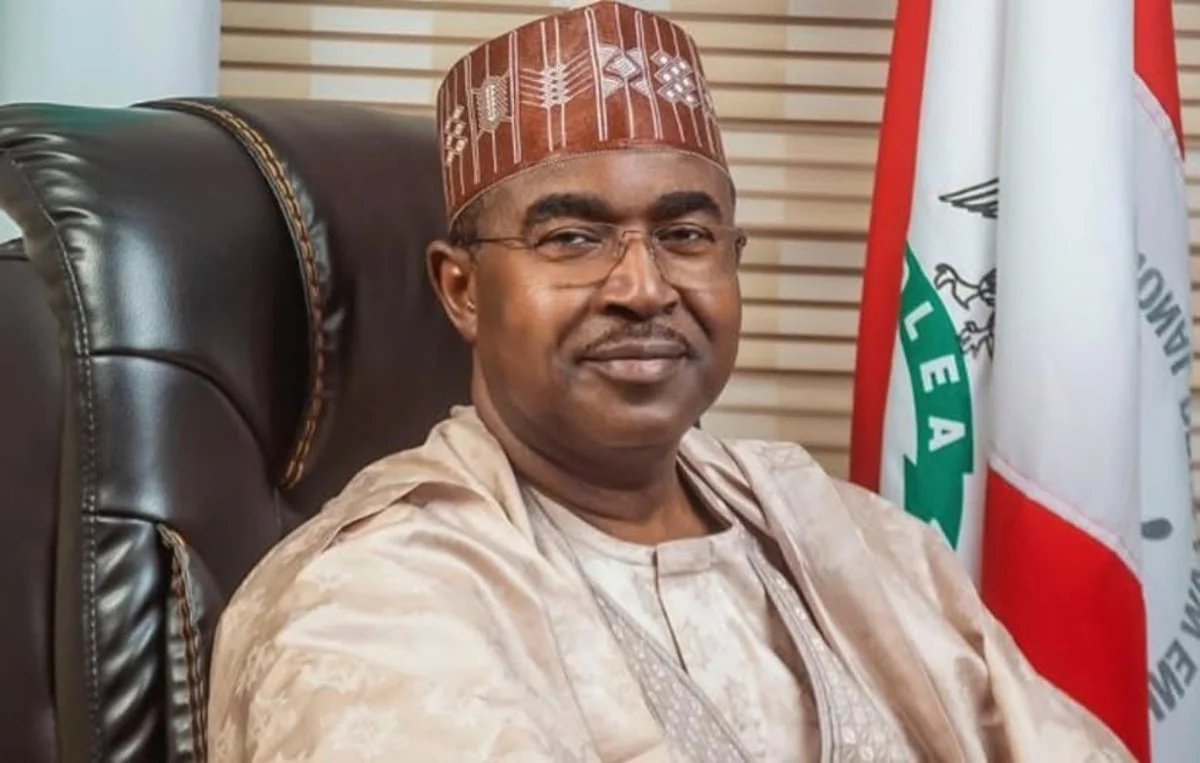
by: Oluwaseun M. Lawal
The hall in Abuja was quiet for a moment. Cameras ready. Then Brig-Gen. Mohamed Buba Marwa (rtd) leaned into the microphone and basically said: we can’t keep fighting drugs with handcuffs alone. Not anymore.
On Tuesday, the NDLEA Chairman and Chief Executive was not talking about another raid or big seizure. He came to sell a different idea. Slower. Deeper. More human. A nationwide “alternative development” drive that tries to stop cannabis at the root – in the farms and forests where it begins – by giving people a better way to live.
He had reason to sound urgent. This new model, the first of its kind on the continent, just kicked off last week in three known cannabis-growing communities in Ondo State: Ilu Abo, Ifon and Eleyewo. A small pilot, yes. But for Marwa, it is proof of concept. A test that seems to already be working.
He tried to shift the way the room was thinking. Alternative development, he explained, isn’t just about telling farmers: “drop cannabis and plant cassava.” It goes farther than simple crop swap. The idea is to build entire local economies around legal value chains. You stimulate small businesses. Ease pressure on police and courts. Reduce violence in places that used to be crime hot-spots. Boost food production. Diversify agriculture. And, quietly, you rebuild trust between rural communities and their government.
In his words, this approach is a win for everyone – villagers, the state, and national security. The Ondo pilot, he said, showed that when you truly engage people, give them inputs, training and some hope, they do not actually insist on staying in the illegal trade. Many just never had a real option.
But NDLEA, he admitted, cannot carry it alone. So he threw the net wide. He called for a “strong national response,” asking for help from every corner: federal and state governments, local councils, traditional rulers, development partners, donor agencies, private investors in the agriculture chain, civil society and even the media. If more communities adopt the model, he argued, the country can start building safer, lawful and more productive rural livelihoods, not just more prison cells.
Marwa kept coming back to one line: this programme is not merely a drug policy; it is a people-centred development effort. It is about lifting villages out of poverty, drying up recruitment grounds for cartels, and protecting Nigeria’s future. NDLEA, he promised, is ready to scale it beyond Ondo, step by step, in line with President Bola Tinubu’s Renewed Hope agenda.
He sounded almost moved when he talked about what happened on ground during the flag-off. In those three communities, he said, chiefs and elders did not push back. They welcomed the plan. Some even said it has “renewed their hope in Nigeria” and made them feel, for the first time in a long while, that government remembered them. They see in it a clean and dignified income stream for farmers, less poverty, more food on their tables, and calmer streets as the drug gangs lose their grip.
The logic is simple: if you replace cannabis fields with profitable, legal crops and other economic opportunities, you are not just chasing dealers around; you are removing the soil on which the drug economy grows. That is tackling the cause, not just the symptoms.
To explain why NDLEA is going this route, Marwa pulled out the numbers. They are not pretty. The 2018 National Drug Use Survey, done by the National Bureau of Statistics with technical backing from the UN Office on Drugs and Crime, shows that about 14.4% of Nigerians between 15 and 64 – roughly 14.3 million people – used at least one psychoactive substance in the previous year. That is more than double the global average. And sitting in the middle of that storm is cannabis.
It is not a fringe issue, he warned. It is the main one. Around 10.6 million adults, more than one in ten in the most active age bracket, admitted using cannabis in the past year. And behind the users stand the farms. Field checks in high-risk South-West areas indicate that nearly 8,900 hectares of land are secretly under cannabis cultivation, often hidden in deep forests and unreachable corners, linked together by organized networks that serve both local markets and foreign trafficking routes.
The fallout is brutal. Young people and older adults, starting often in their late teens, drift into habitual use. Health systems suffer. Productivity drops. Families crack. Crime spreads. NDLEA’s own records tell the same story: of the 15 million kilograms of illicit drugs seized in the last five years, more than 75% were cannabis. Imagine, he said, if that volume had flooded the streets unchecked.
That is why, in Marwa’s mind, the drug war can’t just be about chasing shadows and burning farms forever. It has to include giving people a real alternative, backed by data, funding and serious political will. If the country rallies behind this new development track, he believes, the tide can still turn. Not overnight. But steadily.
And if it works, the victory will not just show in NDLEA’s statistics. It will show in quiet villages where the illegal fields are gone, but the people are still standing – and finally earning a living they don’t have to hide from.

Oluwaseun Musa Lawal is an Editor at REPORTERS ROOM with over eight years of professional journalism experience. He specializes in reporting on politics, climate change, health, and education, while also covering security, economic, and judicial affairs. His work is driven by a commitment to accuracy, balanced reporting, and public-interest journalism.
