


Heavy rains flood Nigeria as weather patterns grow more unpredictable
By: Abudu Olalekan
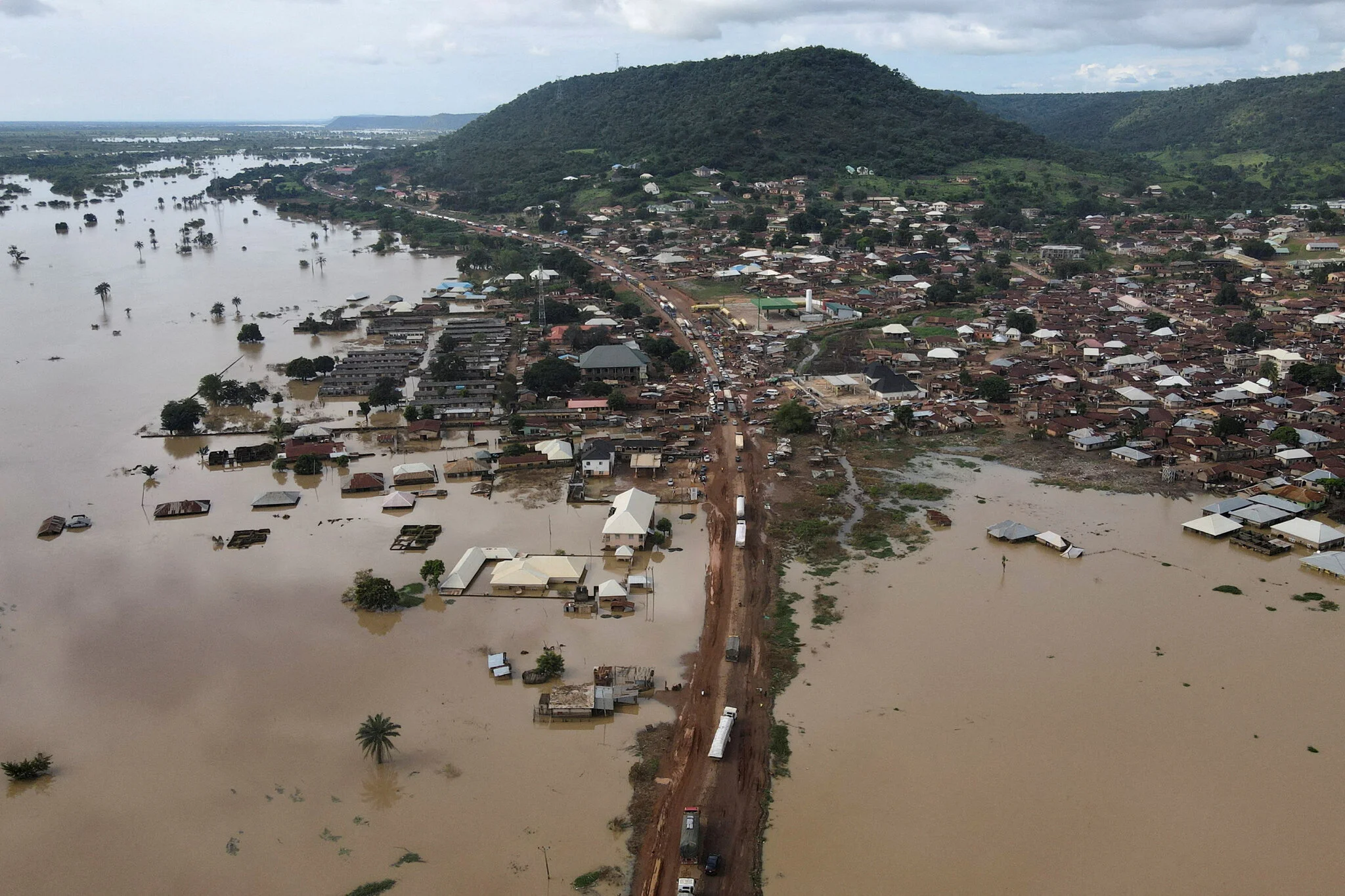
Floods tear through villages while rains come and go without warning across Nigeria. Truth is, things keep breaking down.
Imagine it: December 2025, when things usually stay parched. Yet water falls where it shouldn’t – heavy, steady drops out of place. By February 2026, still pouring just the same. This feels wrong somehow. Not how skies behaved before now. Floods fall where skies should stay clear. Across Nigeria, seasons twist into chaos – hurting lives, shaking markets, tearing at forests and farms alike.
What happens with climate shifts isn’t subtle. Giant changes in oceans and air scramble how weather moves across areas. That leads to flooding – lots of it.
Imagine seeing it firsthand. Sixtieth out of 193 countries on the 2025 risk list – that’s where Nigeria stands. Not exactly good news. More than 220 million lives are tied to this land, so consequences run deep. Floodwaters rise, yet disruption is only the beginning – lives unravel fast when homes vanish overnight. Water meant for drinking turns dangerous instead. Illness spreads before help can arrive. Farms producing more than three tenths of national income collapse under mud and rain. Those with almost nothing lose even that much quicker.
Now it’s obvious. Dead certain. Back in October 2024, the World Weather Attribution team – scientists who work rigorously with advanced tools – stated outright: rains driven by human-caused climate shifts grew up to 20% stronger across the Niger and Lake Chad areas each season. Far from minor. Lives were lost because of it – 1,200 people in Nigeria died, while 1.2 million had to leave their homes during that year.
Out of nowhere, Joyce Kimutai spoke clear truths. She works with WWA, studying weather patterns across continents. Africa pumps out barely any planet-warming pollution – yet feels every brutal consequence. The numbers show a sharp rise nearing two degrees hotter than before machines changed everything. That shift may arrive around the 2050s, experts say. When it does, disasters once rare enough to shock each decade will simply return every year. Year after year.
What stands out are the differences across regions. Down south east, rains pour heavy – year after year bringing more than 3,000 mm, pushed inland by humid air from the Atlantic and lifted high by the Cameroon Mountains. Over in the north east, things stay parched, averaging only around 500 mm as dusty Harmattan gusts sweep down from the Sahara. Yet lately, shifts have appeared beyond total rainfall increasing. Downpours arrive fast now, sharp as knives. After that, silence – no drop at all for weeks on end. It’s the unevenness we can’t handle.
Look at Borno State. Numbers tell the story clearly. From 1961 to 1990, August saw a high of 193.51 mm rainfall. Now things shift – January warmth was 22.78°C, yet by April it climbs to 33.07°C. Rainfall acts differently; instead of spreading out, it pours down hard in one go. In September 2024, floods broke the Alau Dam after such heavy downpour. Around 200,000 felt the impact directly. Lives lost reached 230. Nearly 600,000 who lived in Maiduguri had to leave their homes behind.
Sure, warming weather isn’t the whole story. Broken systems matter just as much. That dam up north – Lagdo, sitting in Cameroon – sends waves of trouble every time it opens its gates. Water rushes out, spills across borders, drowns villages in Nigeria below. Not once. Again and again. Downpours that year soaked everything, worse than any seen since 1972. Seven million lives got swept into chaos when waters rose without warning. Nearly six thousand homes crumbled into mud and debris. Thirty-two states counted losses as rivers spilled over banks. Rain played its part, yes – but the real force came from Lagdo swelling beyond control.
Rain pours harder when trees vanish. Over two decades, Nigeria wiped out an eleventh of its forests. Roots that held back floods disappeared fast. Meanwhile cities swell without pause – take Lagos, packed with millions upon millions. Paved ground now covers earth meant to drink rain. Floods rise where houses stand because water finds no escape.
What happens to health? Terrible outcomes. Dirty water passes on diseases like cholera, typhoid, hepatitis A. Puddles that don’t move give mosquitoes a place to grow – those insects bring malaria, dengue. Most hurt are kids.
Ahead of trouble, Nigeria keeps cleaning up instead of stopping what comes. Warnings show up on screens, yet people stand still when alerts arrive. Back in May 2025, Mokwa drowned while sirens had already sounded – five hundred lives gone, even though someone knew.
Everything must shift at once – roads, borders talking to each other, trees returning, voices of science finally heard. Experts are already there in Nigeria. Money can be found when needed. Action slips away only because waiting feels easier than moving before water rises again.

Olalekan A. Abudu is a seasoned and dedicated News Journalist at REPORTERS ROOM, with over eight years of experience. He specializes in politics, climate change, health, and education, while also covering security, economic, and judicial issues. Committed to accuracy and balanced reporting, Olalekan exemplifies the principles of public-interest journalism.

