


ECOWAS Bank approves $150m for Lagos waste project and coastal highway
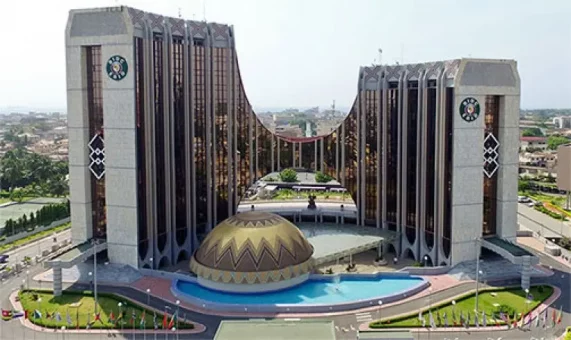
By: Abudu Olalekan
The ECOWAS development bank approved serious money for major efforts in West Africa. That’s 266.7 million U.S. dollars alongside thirty billion CFA francs flowing into roads, factories, and nature-focused plans. Countries like Nigeria, The Gambia, Ghana, Senegal, and Côte d’Ivoire will see activity kick off soon after this go-ahead. Funds shift toward real ground moves where systems need upgrades, production grows, or land needs care.
Back in March 2026, approval came through when the board met. Because growth matters, Dr. George Agyekum Donkor – the head of the bank – called each step a way to fuel real progress across the area. What counts is building what lasts, he noted, not just chasing short wins. Since direction shapes outcomes, choices now tie back to bigger plans already set. Even small steps add weight if they match where things need to go. Still, clarity helps everyone see why certain paths were picked. When purpose leads, effort follows without confusion dragging behind.
“We’re putting money into things that build a stronger, more connected, and fairer economy,” he explained. “That means infrastructure, farming, waste management, and industry – all the pieces that help countries grow on their own terms.”
Where does the cash actually go? Some major areas grab attention right away
In Nigeria:
Lagos sees fresh investment – fifty million dollars funnels into modern waste centers. A partnership between government and business drives it, targeting near half of all rubbish recycled. Thousands gain employment, five thousand positions opening across sectors tied to disposal and reuse. Rotting scraps transform yearly, amounting to sixty thousand metric tons of soil enhancer. Streets stand to become tidier. People find reason to pick up tools, start shifts, earn paychecks.
Fifty billion dollars? Not quite – this coastal route from Lagos to Calabar is backed by a hundred million. Stretching through nine regions, the path changes how people and cargo flow across the shoreline. Speed improves, distance feels shorter, connections grow stronger. Movement gets smoother when routes stop fighting geography.
In Senegal:
A fresh flow of 20 billion CFA francs heads to BNDE bank as a lending boost. With this move, smaller firms gain stronger access to funds – particularly ventures led by women or youth. Farming efforts receive support through the shift in financing. Housing plans also find backing under the same push.
In Ghana:
A chunk of fifteen million dollars will build a homegrown tissue factory. Each day, it should produce sixty five tons – enough to ease reliance on foreign supply. This move pushes Ghana’s industrial growth into sharper focus. Fewer rolls shipped in from abroad means more control at home.
In The Gambia:
A chunk of ten million four thousand dollars heads to G Farms for growth. Expanding their work boosts local chicken and milk output. This shift cuts down on shipped-in groceries. Resilience in meals takes a step forward right here at home.
In Nigeria Again Bauchi State
Weather-ready roads get 91.63 million dollars. Lowering what it takes to move goods matters here. Farmers reach buyers easier when paths stay open. Storms come hard, yet pavement must hold. Lasting through downpours is part of the plan.
In Côte d’Ivoire:
A chunk of 10 billion CFA francs heads to Afriland First Bank. Because of this flow, the bank can push funds into small enterprises. Lending expands, which pulls growth through local markets.
Truth be known, each project proves the ECOWAS Bank means business when it comes to shaping long-term progress – paved routes, greener towns, stronger homegrown production, along with expanded work chances. Not merely handing out funds, rather strengthening how places across the area can stand tall on their own two feet.

Olalekan A. Abudu is a seasoned and dedicated News Journalist at REPORTERS ROOM, with over eight years of experience. He specializes in politics, climate change, health, and education, while also covering security, economic, and judicial issues. Committed to accuracy and balanced reporting, Olalekan exemplifies the principles of public-interest journalism.

