


FESTAC ’77: The Cultural Legacy Young Nigerians Have Forgotten
By: Abudu Olalekan
Most likely, a young person in Nigeria today already knows what FESTAC stands for. Try asking one and see.
A stretch of homes sits tight in Lagos. Perhaps it’s one of those planned neighborhoods. Could be nothing more than letters on paper. That’s all there is.
Most folks miss this part – written into the name is a story about Africa’s boldest celebration of culture, something huge once pulled off right there on home ground.
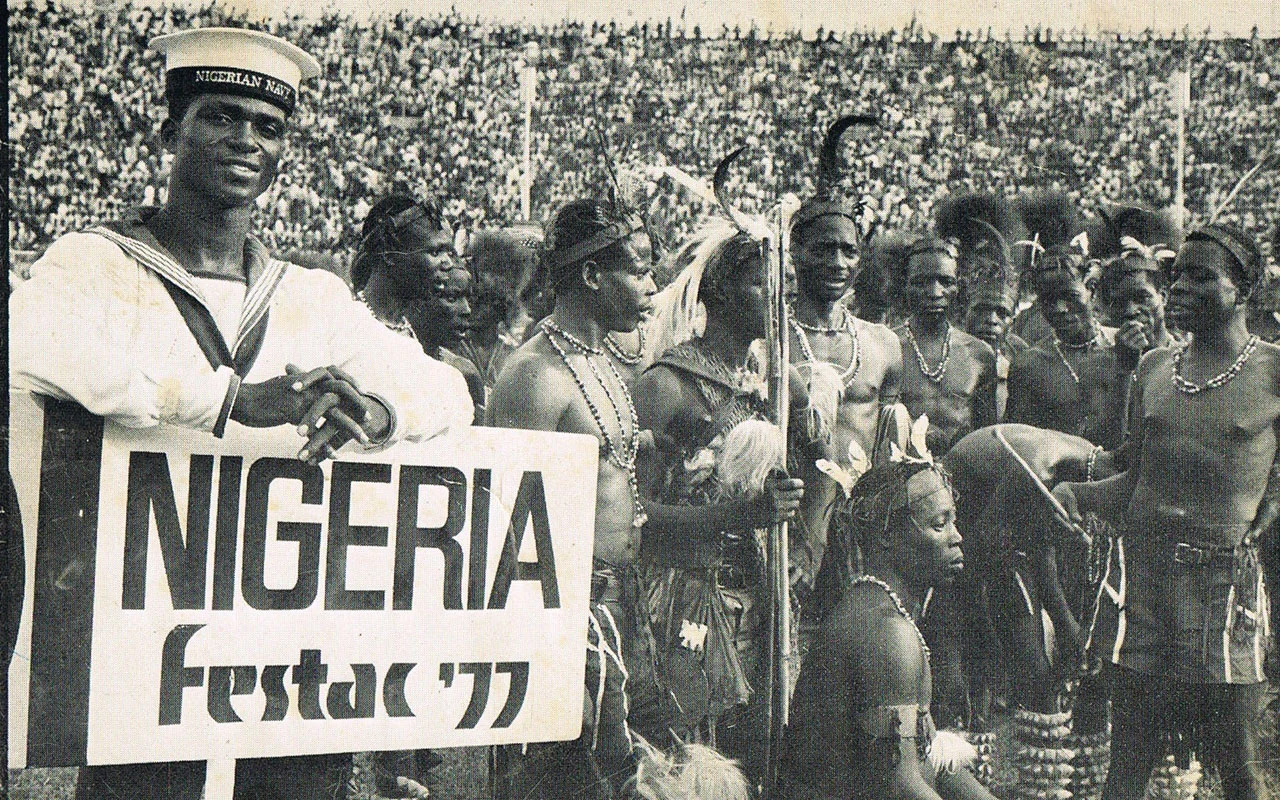
Back then, almost half a century past, Nigeria welcomed over sixteen thousand people hailing from more than fifty nations and regions. This moment marked the launch of FESTAC ’77 – short for the Second World Black and African Festival of Arts and Culture. Throughout nearly a full month, starting January 15 and running through February 12 that year, Lagos transformed. Not merely a bustling urban hub, it became the beating heart of global Black expression.
Some painters. A few singers. People who write stories. Thinkers with books under their arms. Those who move to rhythm. Others on stages barefoot or shod. From villages, cities, islands, far neighborhoods – each arrived by plane, train, foot, memory. Together here now, not by accident but pull. Roots tangled deep below surface. One name for what they carry: belonging.
Hold on. Let’s pause right there.
Now, the tale grows quiet. A lot of younger Nigerians aren’t aware of the event, even if it once carried weight. For certain people, FESTAC means only a spot on a map. Others see it merely as a neighborhood label. What lies beneath? It vanishes, piece by piece, from shared recall.
What made FESTAC ’77 stand out wasn’t merely its massive crowd. Still, the boldness it carried forward mattered more. A quiet pride moved through everything.
Midway through a continent searching for its voice, Nigeria pulled off something massive. Nearly thirty days long, the event turned Lagos into a global stage. Thinkers showed up. Painters arrived. Dancers came from everywhere. This wasn’t just noise – it was celebration rooted deep in heritage. Attention stayed fixed on the city while black identity took center spot. People built bridges without saying a word. Culture spoke louder than speeches ever could.
Yet the gathering always meant more than mere amusement.
Out of silence came a claim. Not loud, yet firm – that African stories, ways and sense of self matter everywhere. People showed up not just from African nations but islands too, plus cities far north and deep south. Rooted in shared belief: unity among those touched by African bloodlines could spark return journeys home. This idea held it together.
Still around from those days is the FESTAC Mask. Shaped like the well-known sixteenth-century ivory carving of Queen Idia from Benin, it was chosen as the festival’s main image. Right now, few icons linked to FESTAC are more widely seen. Though old, its presence hasn’t faded at all.
Standing today are traces of that gathering, real things you can reach out and feel. Rising in Lagos, the National Theatre took shape mostly for FESTAC ’77, a structure meant to hold celebration. What about FESTAC Town? It grew fast to shelter waves of guests arriving from everywhere. Close to fifty years pass, yet each remains – quiet proof of a time Nigeria stood central in the world’s Black imagination.
True, luck had a say. At that time, Nigeria sat high on oil wealth, keen to show strength across Africa. Money flowed into the event – not only for art’s sake. It served global outreach too. By hosting, Nigeria stood tall abroad, showing firm belief in one Africa, creative growth, strong bonds worldwide.
Yet what truly lasts from FESTAC ’77 isn’t found in buildings or roads.
What stood out most was the signal it gave. Not only did the event show how culture connects folks, but also how it reinforces who we are while encouraging mutual respect beyond boundaries. Well prior to Afrobeats ruling international playlists. Far earlier than Nollywood entered everyday conversation. FESTAC made clear to the globe the power within Nigerian and African heritage.
Still, look at us now.
FESTAC ’77 slips further from public memory every year. School curriculums often skip it entirely. The National Theatre stands visible, yet few grasp its roots. Residents of FESTAC Town sometimes remain unaware of how their neighborhood got its title. Losing touch with such history feels like a quiet erosion – when cultural milestones fade, identity dims along with them.
That festival in 1977? Not just nostalgia. Think of it as proof – Nigeria once gathered Black voices from everywhere, all under one roof. Celebration became connection. Culture did more than perform – it shaped how nations see themselves, how they reach across borders. Moments like that stick around, not because they’re old, but because they showed what’s possible.
These days, people across Nigeria cheer the worldwide success of Afrobeats, Nollywood, and local fashion styles. Fair enough too. Yet way back then, years ahead of fame abroad, FESTAC ’77 showed everyone what Nigerian and African culture could do when placed front and center globally.
Even now, the National Theatre remains standing. FESTAC Town hasn’t vanished either. Those moments haven’t faded away yet.
What’s disappearing is the awareness.
Half a century on from that gathering, perhaps today’s Nigeria could meet FESTAC ’77 again – not as some faded page in an old textbook, yet as proof of what becomes possible here when culture takes charge, followed by imagination and shared purpose.

Olalekan A. Abudu is a seasoned and dedicated News Journalist at REPORTERS ROOM, with over eight years of experience. He specializes in politics, climate change, health, and education, while also covering security, economic, and judicial issues. Committed to accuracy and balanced reporting, Olalekan exemplifies the principles of public-interest journalism.
