


Loss and Damage Forum: Civil Society Demands People-First Climate Action in Malawi
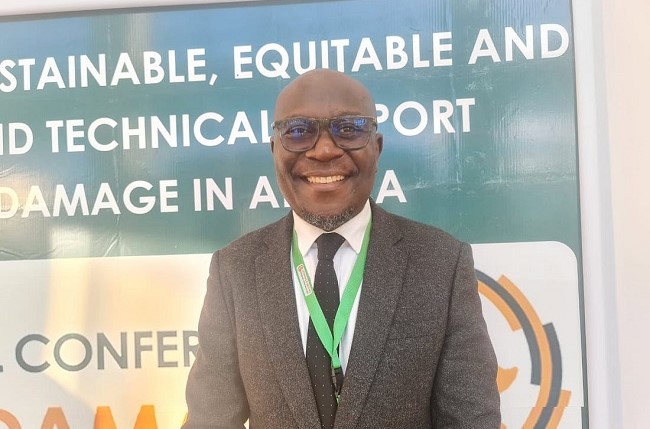
By: Abudu Olalekan
People live in communities, not numbers on paper. During talks at the 5th African Loss and Damage gathering in Lilongwe, officials pushed for practical fixes built from local voices – those hit hardest by crisis.
When the rain stayed away, crops failed. Sometimes it arrived fierce, flooding fields, sweeping young maize off thin soil. Stillness follows those storms – silent kitchens, worried eyes, seasons spinning without promise.
Every single day, Gift Numeri notices it. Leading the Civil Society Network on Climate Change – known as CISONECC – he feels worn down seeing people suffer most despite having little say. Choices unfold in cool offices distant from dusty, sweltering realities.
Last Friday in Lilongwe – March 27, 2026 – it poured out without pause. At the close of the 5th African Regional Conference on Loss and Damage, Numeri locked eyes with officials seated before him. Sharp words followed. People first. Children above all.
“Communities are suffering from droughts, floods and food insecurity,” he said. No fancy language. Just facts.
Here’s what stands out. Numeri doesn’t want favors – what he pushes for are plans shaped by those enduring the crisis firsthand, programs guided by young people backed with steady money, ways of growing food that survive over time, education that builds leaders from within classrooms.
“We must ensure our climate strategies are inclusive,” he stressed. “Listen to the voices of our communities, especially our children.”
Down in Malawi, signs show change is real. Even while weather patterns unravel, local groups find ways forward. Numeri pointed at leaders, both state and corporate, urging them to face what they’ve helped create. He spoke from experience – lives altered by shifting seasons stand visible every day. Still, strength rises where people take charge together. Backing such paths makes sense
Start small, right in the villages, then grow those efforts. Give them enough money to actually work. Make sure major polluters face real consequences.
Out there where water swallows roads, Lucy Alufandika sees it firsthand. Leading farmers in Kholongo Village, deep in Chikwawa District, she answers to the local chief’s authority. That committee of hers – Village Disaster Risk Management – isn’t something written and forgotten. Floods tear through here often, fierce and sudden. Then comes her team, moving fast before anyone else arrives.
“Our district is highly affected by floods and other disasters,” she explained. “As a committee, we report to relevant authorities for timely solutions.”
Still talking about shifting rains, Alufandika says she won’t stop passing along what she sees. Yet gaps remain – tools that lag, seed types too weak, help arriving late. Each season hunger returns like a stubborn guest. Her aim? Stop the loop before it starts again.
Closing the event, clear outcomes stood firm for COP32. From Africa, a strong message heads into global talks. Will anyone truly pay attention? The real battle begins now.
Still, across Malawi’s rural corners, people keep moving. Season follows season.

Olalekan A. Abudu is a seasoned and dedicated News Journalist at REPORTERS ROOM, with over eight years of experience. He specializes in politics, climate change, health, and education, while also covering security, economic, and judicial issues. Committed to accuracy and balanced reporting, Olalekan exemplifies the principles of public-interest journalism.

