


African Climate Strategy Meeting in Accra Sets Stage for COP31 and COP32
By: Abudu Olalekan
Ghana finds itself center stage these days. A key event unfolds here – three intense days packed with talks by the African Group of Negotiators. This isn’t routine chatter; momentum builds behind closed doors. Plans take shape ahead of COP31 in Turkey, then later COP32 in Ethiopia. Unity gains quiet strength on African soil. Behind every word spoken lies preparation, purpose. Much rides on what emerges from these rooms.
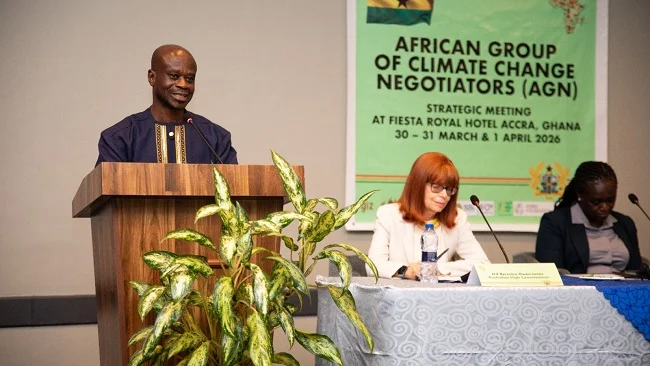
Early next year, talks will unfold across three days in Accra. Face-to-face since handing over the AGN role, coordinators from across Africa will sit down together. Gathered around tables, national climate leads aim to align their priorities. With Ghana now steering the process, expectations ride high for concrete outcomes. Unity shapes up as the main theme, not just cooperation. A shared stance could shift how decisions are made at global forums. Outcomes may set the pace for future discussions on emissions and funding. Clarity matters more than ever when positions split along regional lines. Stronger coordination might just tip the balance during tough negotiations.
Prof. Nana Ama Browne Klutse, who heads up the Environmental Protection Authority (EPA), didn’t mince words when welcoming everyone to Accra. “Africa’s strength in global climate negotiations has always been its unity,” she said. “At this defining moment, we must reinforce that unity and ensure our collective voice continues to shape outcomes that reflect our realities and aspirations.”
Truth sits heavy here. Though Africa pumps out nearly zero carbon, it takes the hardest hits from shifting weather patterns. Unity matters more than ever. What Professor Klutse spelled out wasn’t new – just long ignored. Money must flow, yes, but steadily, not in drops when storms come. Help adapting isn’t charity; it’s survival aid. Promises tied to old treaties need cash behind them. Tools matter too – clean tech should move freely, along with training to use them well.
One moment stands out clearly. For the very first time since joining the UN climate pact in 1992, Ghana holds the lead role in the African Group of Negotiators. At the helm sits Nana Dr. Antwi-Boasiako Amoah – marking a turning point few saw coming. This shift carries weight beyond titles.
Nowhere is the urgency clearer than in Africa’s stance at climate talks. Baba Issifu Seidu, serving as Minister of State for Climate Change and Sustainability, opened with sharp words. His message carried weight – no soft edges. Across every room, one truth echoed: involvement isn’t enough anymore. Leadership demands taking control, shaping results. One track at a time, African nations are stepping into that role. Global efforts have changed rhythm lately. Momentum has turned toward action, away from talk. Promises once made must now be met.
The Minister highlighted what Africa needs to push hard on:
One way to tackle adaptation goals? Use clear signs of progress that can shift when needed, yet still make a difference. What about money for climate efforts? It needs straight answers now – the old fuzzy talk won’t do. Fairness must stay at the heart whenever cutting emissions, especially when helping communities switch cleanly and get power.
On the money question he stayed just as firm. Money for climate work touches fairness and belief, Seidu said. If solid support doesn’t arrive in reach, African efforts to adapt and cut emissions will fail right at the beginning.
Someone planned the way the meeting unfolds. On March 30, people talked freely about working together, especially how African nations connect with groups such as the G20. Following that moment, doors close for deeper talks – matching priorities comes next, then shaping ways to negotiate, finally building systems so everyone moves at once.
Out of this emerges clear choices. A lineup of unresolved matters appears. Responsibilities land on specific people. Next moves take shape, each one defined. The course set here guides how African nations engage globally on climate through 2027.
With COP32 coming to Addis Ababa, this gathering couldn’t be more timely. “The future of Africa will not be defined by negotiations alone, but by how effectively we shape them,” Seidu pointed out. “This is the moment for Africa to act with unity, purpose, and resolve.”
On foot in Ghana, efforts ramp up – national plans adapt, fresh commitments roll in, all while neighboring ties grow tighter to face shifting climates together.
One person spoke up early, then another added thoughts. A third joined in after a pause. Different opinions came through one at a time. Each took turns sharing what mattered most
A figure stands out. Rona Ali Ahmed of the International Organisation for Migration shared it. Nineteen point three million movements inside borders happened across sub-Saharan Africa during 2024. Disasters triggered nearly eight million of them. Climate forces now shift populations like never before. The organization focuses here – on safe movement routes. Then again – it backs individuals already traveling. Another angle matters too – building stability where life remains possible without escape. Work unfolds quietly. Think corridors in West Africa. Consider herders in Kenya adapting grazing patterns. Picture training programs in Moroccan villages turning soil into opportunity. Efforts stretch but stay grounded.
Halfway through her speech, Kulthoum Omari Motsumi mentioned how the Africa Adaptation Initiative began – launched straight from decisions made by African leaders. Though ten years have passed since then, focus hasn’t shifted. Instead, effort grows stronger when it comes to backing the AGN with expert guidance. Her voice stayed firm while underlining one point: keeping adaptation visible worldwide matters more now, especially with less money available.
Right off the bat, Dr. George Wamukoya made one thing clear. He leads the African Group of Negotiators Experts Support team. For him, farming isn’t just work – it shapes lives across the continent. Because of that, economies depend on it. When COP32 comes around, more money needs to flow into this sector. Nothing less will do.
A hand was extended by Walters Tubua of the UNFCCC Regional Collaboration Centre, bringing usable guidance. Ready assistance comes through the UNFCCC and its regional hubs – shaping national goals, checking price tags line up, tying each step to updated climate plans and adaptation roadmaps.
Right off the bat, Augustine Njamshi of the Pan African Climate Justice Alliance held nothing back. “COP31 and COP32 aren’t just more meetings Africa can shrug off,” he stated flatly. These moments shift direction. Here’s a hard truth – he noted – Africa excels at standing firm, yet standing still changes little. Look at COP29: promises outweighed real movement. The money promised fell short. Science called for one thing. Fairness backed it up. Reality offered less.
Truth is, Ghana alongside the EPA believes this gathering could finally push Africa into a leading role ahead of global climate talks. Honestly speaking, after enduring severe climate effects for years while being left out of key discussions, the moment feels right for the continent to shape debates rather than simply join them.

Olalekan A. Abudu is a seasoned and dedicated News Journalist at REPORTERS ROOM, with over eight years of experience. He specializes in politics, climate change, health, and education, while also covering security, economic, and judicial issues. Committed to accuracy and balanced reporting, Olalekan exemplifies the principles of public-interest journalism.

