
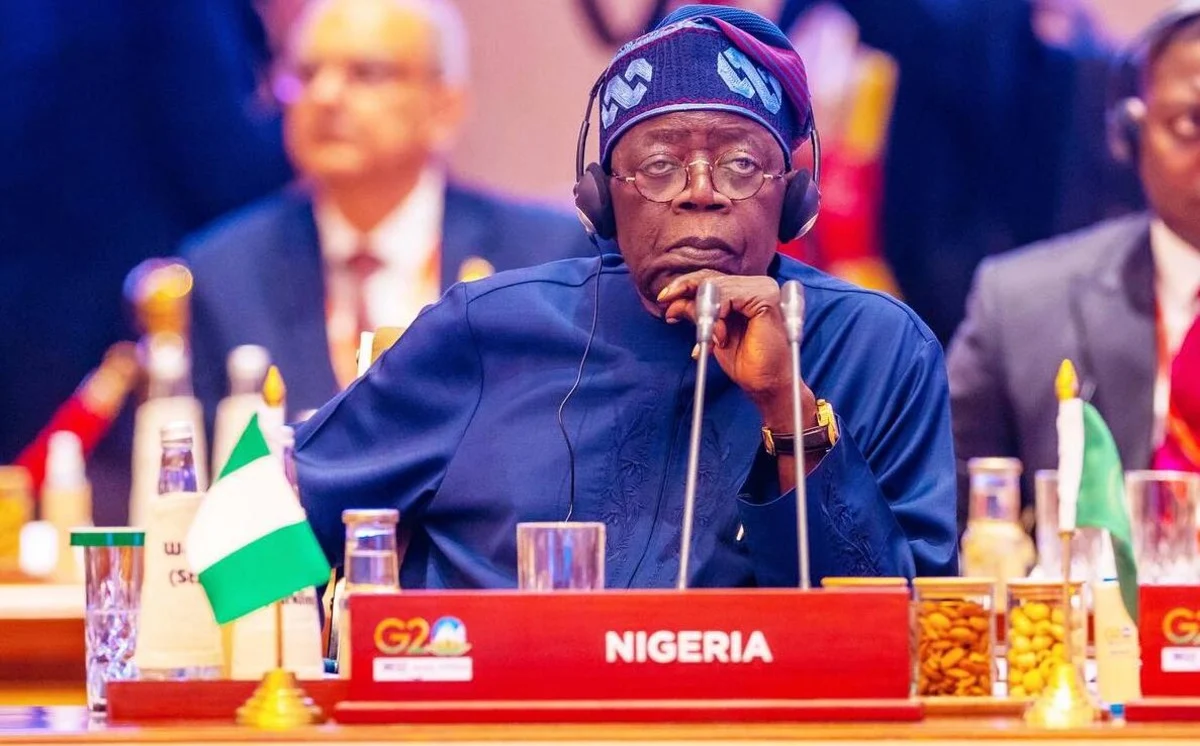


APC Screening 2027: Fubara Absent While 14 Governors, Tinubu Challenger Face Panel
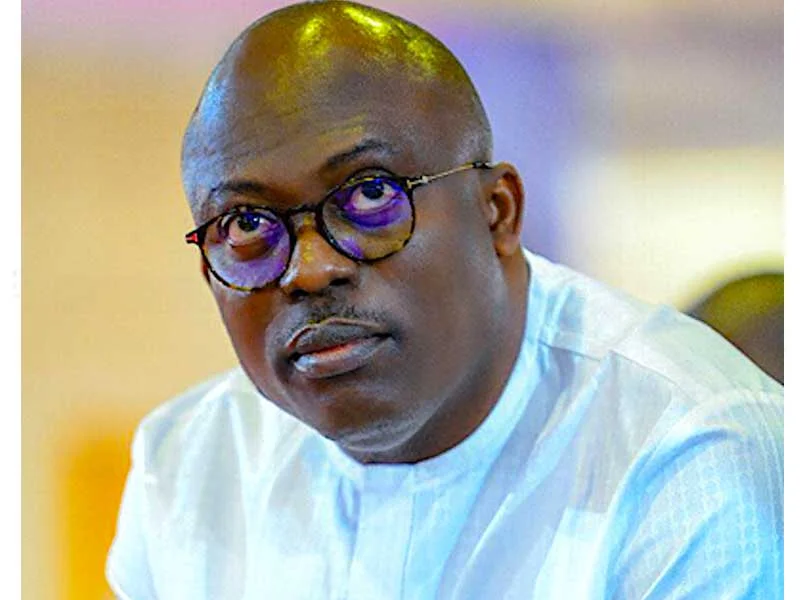
By: Abudu Olalekan
Out of the blue, the APC’s test run for 2027 stirred chatter – Governor Siminalayi Fubara of Rivers State did not show. Instead of showing up, he stayed clear. That silence speaks volumes. Suddenly, absence became the story. While others stepped forward, he stepped back. Now everyone wonders why.
Out of the 14 current governors aiming for another term or new roles, none skipped quite like Fubara – he never showed up at all. Then there was Stanley Osifo, standing alone as the one taking on President Bola Tinubu for the party’s top spot.
Midnight on May 6 marked the end of a process that started April 28 – when the APC opened sales for its expression of interest and nomination papers, according to Reportersroom.
By Friday the eighth, checks began for those stepping into governor roles. Come Sunday the tenth, that process was due to wrap up. Agreement among members shaped some picks, while others came straight from votes – matching what the 2025 election law allows.
One after another, the primaries roll out across different dates. Set for May 15, the House of Representatives kicks things off. Next comes the Senate, scheduled three days later on the 18th. State Houses of Assembly follow on May 20, without delay. Then governorship takes place a day after that. The last in line, the presidential primary, lands on May 23. Between each stage, appeal panels meet to review disputes raised by disappointed candidates.
Marking a date months ahead, INEC set January 16, 2027, for voting in the president and National Assembly roles. That moment passes before another arrives – February 6, 2027 – for state-level contests: governors and local lawmakers alike.
Starting April 23, 2026, political groups must finish choosing candidates by May 30 – any disagreements need fixing before then. Electioneering for president and national lawmakers kicks off August 19 that year. As for state-level races, campaigning opens later, on September 9. That timeline covers governors and local legislative bids.
A chairperson for the APC panel reviewing current governors comes from the top office – that belongs to National Chairman Nentawe Yilwatda. Handling secretarial duties within this group? That role goes to Surajudeen Basiru, known formally as the National Secretary.
Standing in line for checks: Abba Yusuf from Kano, then Inuwa Yahaya of Gombe stepping up next. After him came Nasir Idris, representing Kebbi, followed by Caleb Muftwang who leads Plateau. Closing the row was Reverend Father Hyacinth Alia, governor of Benue.
Among those present were Francis Nwifuru, governor of Ebonyi State. Sheriff Oborevwori from Delta State also attended. Umar Bago represented Niger State. Dauda Lawal showed up for Zamfara. Bassey Otu came all the way from Cross River. Ahmed Aliyu made it in from Sokoto.
A top figure within the APC, asking not to be named, mentioned they’d reviewed well over a dozen governors so far – work like this tends to take time. The check continues.
Smooth, he called it, after stepping out of the session. Eno, leading Akwa Ibom State, found comfort in how things moved. Not just motion – connection took shape between APC state leaders and the national team. Through quiet moments and structured talk, trust grew. Unity, once scattered, now shows clearer, built piece by piece.
Things aren’t perfect, yet he stands by the Tinubu government, noting changes that point toward better days than at the start. When it comes to state leaders, help has come from Abuja – even with worldwide strains like fallout from tensions between Iran and the U.S., slow gains are visible. Hope isn’t misplaced, given how far things have moved since inauguration day.
Out there, people notice things feeling steadier now, Eno pointed out. Given room to come back, the President could keep shaping his work, he suggested. Should voters choose him again, progress made so far would go further, he added.
Bauchi may skip a smooth party deal after ex-Foreign Minister Yusuf Tuggar signaled unity talks are fading. Though chasing the APC’s top slot there, he sees little chance for agreement among leaders now.
After his screening, Tuggar noted how quickly the number of candidates grew, sparking worry over last-minute form submissions. Because of that surge, he questioned which ones truly intended to run. Instead of backing every name, the party should look closer at motives behind each entry. Some might join just to withdraw later, clearing space for someone else seen as more acceptable. That kind of move shapes perception without real competition taking place.
Besides that, he cautioned the APC about tolerating questionable moves in the primaries.
Tuggar pointed out how politics shifted a lot through the years. Back in 2011, while running on the CPC ticket, he went up against a sitting governor chasing another four-year stretch. Now things are not quite the same – this round wraps up with the present officeholder stepping down, aiming to pass the role to someone of their choosing.
Back then, the 2011 polls were clouded by odd gaps – no electronic card readers at many spots. Not until 2015 did things shift slightly, though those days still wobbled under a relatively new APC. These days? The updated Electoral Act simply won’t allow sudden party switches just before voting.
Focusing on those who’ve proven themselves, he pushed for greater support toward local figures within the party. People rooted in communities matter most when results are needed.
Whatever way the party chooses for its primary, that is fine by Abdul Fatai Yahya, the Kwara governorship hopeful. He made his position clear without hesitation.
Though the APC screening wasn’t easy, Stanley Osifo called it honest. When his turn came, he took part without holding back. Every question got a response. Confidence stayed high – he trusted the party’s process to manage what happens next.
Even though someone questioned his choice to challenge a sitting president, he explained he answered everything put to him at the meeting. With firmness, Osifo stated he is still running, even after the party backed Tinubu. Not once has he talked about leaving the contest, he added.
From among those considered for Senate roles came several current governors, like Mai Mala Buni of Yobe State. Hope Uzodinma from Imo State appeared on that list too.
Even so, it was clear Fubara wasn’t there.
A man from Rivers State, now serving as governor, found himself deep in a long-standing clash with his former boss – today’s FCT minister, Nyesom Wike. Even though people close to Wike resisted it, the sitting governor managed to get nomination papers for the APC using someone else to act on his behalf.
Fubara still hadn’t shown up when the screenings wrapped late Saturday. Though hours passed, no sign came through Friday either.
Asked on the governor missing, Yilwatda pointed out others hadn’t come either, noting those tied to official work often get room to maneuver. Still, presence wasn’t unique to Fubara alone.
One of them mentioned that three governors did not show up, though no one ought to be blamed outright. Since each holds a top leadership role with duties across different regions, space will be made when they arrive – so long as it fits inside the agreed window.
Fubara’s future remains a question mark
Word got out that a few well-known people from Rivers State had picked up forms to run for governor. Among them were Awaj-Inombek Abiante, who sits in the House of Representatives, along with ex-Education Commissioner Dr Tamunosisi Gogo-Jaja. These individuals showed interest in representing Fubara’s political path. The move sparked quiet chatter across local circles. Neither confirmed plans nor gave reasons for stepping forward. What happens next stays unwritten for now.
Still up in the air – if he actually received those documents in an official way.
Meanwhile, reports emerged that Das George-Kelly, once commissioner for works in Rivers State, had picked up a gubernatorial form. In separate news, Kingsley Chinda, who leads the minority bench in the House of Reps, did the same. Both moves surfaced around the same period. The filings drew quiet attention across political circles. Neither confirmed nor denied their intentions outright. Activity around nominations steadily increased. Other figures began appearing at party offices too.
Gogo-Jaja made his remarks during a broadcast on Beat FM 99.9 in Port Harcourt. While discussing political moves, he pointed out Chinda’s affiliation with the Peoples Democratic Party. Despite that connection, Chinda obtained a gubernatorial form from the APC. The revelation came up as part of a broader conversation on shifting party loyalties.
It came out that certain political figures, eager for power, did not leave office when people thought they would. According to Gogo-Jaja, Chinda showed up on the list of individuals who obtained the application, a detail he claimed to know directly since he took part in turning in the paperwork.

Olalekan A. Abudu is a seasoned and dedicated News Journalist at REPORTERS ROOM, with over eight years of experience. He specializes in politics, climate change, health, and education, while also covering security, economic, and judicial issues. Committed to accuracy and balanced reporting, Olalekan exemplifies the principles of public-interest journalism.

