
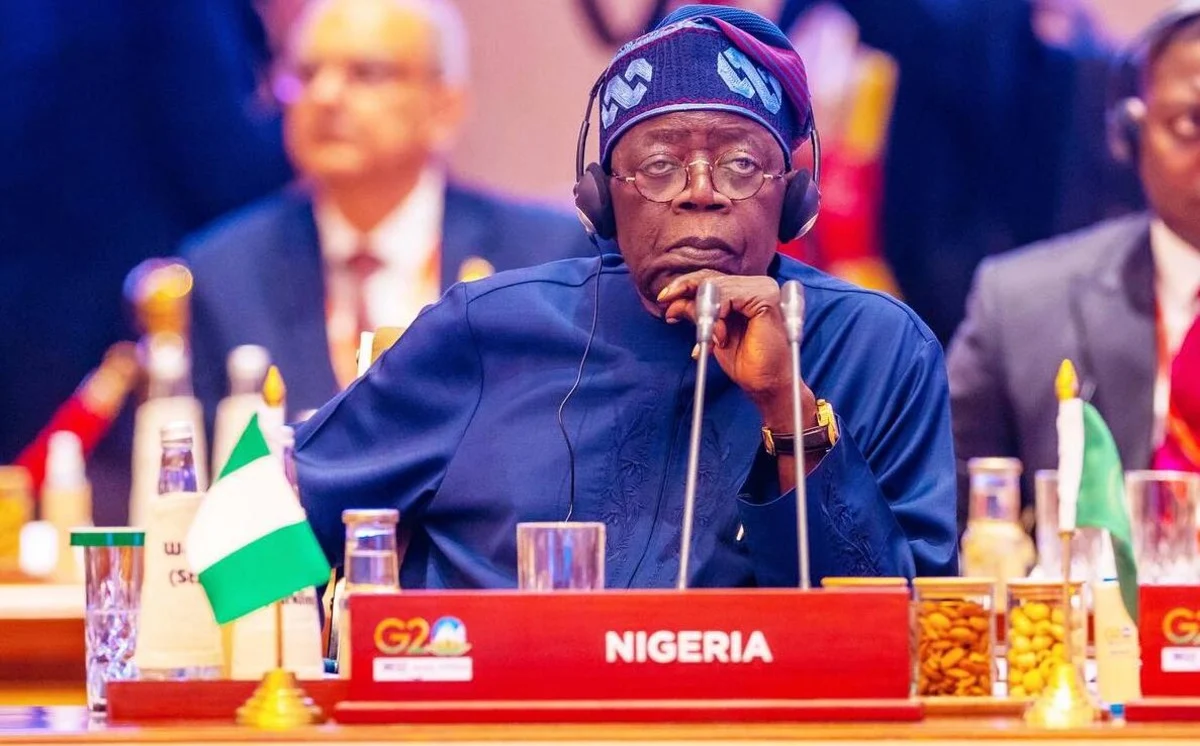


Senate Reverses Rule: Oshiomhole Slams Akpabio Over Eligibility
By: Abudu Olalekan
It happened on Thursday. The Senate changed its mind.
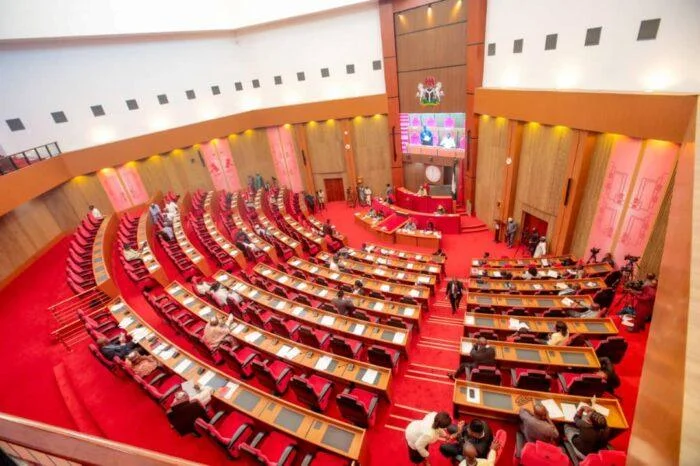
Following a lot of heat from lawmakers, the upper chamber rescinded controversial amendments to its Standing Orders 2026. Some provisions just didn’t sit right. They were inconsistent with the 1999 Constitution.
The reversal came barely days after the chamber amended portions of its rules. That move had triggered controversy. Sharp exchanges among senators. But the real drama was yet to come.
It drew sharp rebuke from the senator representing Edo North, Adams Oshiomhole. He called on Senate President Godswill Akpabio to resign from office. Just like that.
Why the sudden change? Well, amendments had come amid growing interest by outgoing governors. Political heavyweights. Many are positioning to enter the Senate in 2027. They want to contest for top leadership roles. Senate President. Deputy Senate President.
No fewer than 10 governors and several former governors are already angling to secure senatorial tickets. They are leveraging influence over party structures. Hope Uzodimma, Imo State Governor, currently in his second term. His tenure ends in January 2028. He has obtained form for the Senate. Analysts say he may be angling for the Senate Presidency.
Moving the motion during plenary, Senate Leader, Opeyemi Bamidele, spoke. He said a fresh legislative and constitutional review revealed issues. Some provisions introduced under Order 2 Subsection 2 and Order 3 Subsection 1 could conflict with Section 52 of the Constitution.
“The Senate observes that upon further legislative and constitutional review, certain provisions introduced under Order 2 Subsection 2 and Order 3 Subsection 1 may give rise to constitutional inconsistencies,” Bamidele said.
He explained that the Senate retained the parliamentary authority to revisit decisions. To safeguard integrity.
The chamber thereafter resolved to rescind its earlier decisions. Relating to the amendments made to Order 2 Subsection 2 and Order 3 Subsection 1 of the Senate Standing Orders 2026.
The motion was seconded by Enyinnaya Abaribe, the senator representing Abia South.
Deputy Senate President, Jibrin Barau, who presided over the session, described the motion as necessary. To align the Senate rules with constitutional provisions.
“This is a very straightforward motion — it’s just for us to go in conformity with the Constitution,” Barau said.
But Oshiomhole wasn’t having it. He faulted the process that led to the earlier amendments. He argued that lawmakers acted in haste. To satisfy vested interests.
“The way we rushed the rules because certain people wanted certain things concluded is one flaw in this process. That is just the point I want to make — that next time we should allow debate,” he said.
His comments sparked another round of exchanges on the floor. Bamidele had to invoke Rule 52(6) of the Senate Standing Orders. Against reopening issues already decided without a substantive motion.
Bamidele lamented that the controversy generated by the amendments had overshadowed the Senate’s legislative activities. Unnecessary drama. They are not going to allow this to continue.
Oshiomhole, who spoke to journalists after the plenary, described the amended rules as being rooted in what he called a “moral crisis.” He insisted the process raised fundamental questions about fairness. Leadership ethics in the Senate.
He argued that Akpabio, by the new framework being debated, no longer meets the moral threshold. To continue presiding over the chamber.
“This rule has a serious moral crisis. The Senate president became the minority leader in his first term. He is now the one presiding and asking us to change those rules,” Oshiomhole stated.
He pointed out Akpabio hasn’t done eight years in office. Even if you count the previous one plus the current one. So if they pass the rule that we must do eight consecutive years before you can become Senate president, it means he has to live by example. By vacating.
Drawing parallels with past leadership arrangements, Oshiomhole referenced former Senate President David Mark. Warning against changing rules for political convenience.
“Those rules that enabled David Mark to preside for eight years, what happened to them? Why change them now? Because he fears that more senators will be eligible, which will broaden the competitive base. So he wants to soak it. If other people are afraid, I am not,” he added.
The Senate, however, dismissed reports linking the Presidency to its decision. They insist the action was purely procedural. Aimed at avoiding constitutional conflicts.
This clarification came hours after reports circulated in sections of the media. Alleging that the upper chamber had bowed to pressure from the Presidency.
Speaking with journalists, Chairman of the Senate Committee on Judiciary, Human Rights and Legal Matters, Adeniyi Adegbomire, said the decision to revert followed internal legislative review.
According to him, the issue under contention related to whether senators-elect must first be sworn in before participating in the election of Senate presiding officers.
“One of the orders that was considered was about whether you should take your oath of alliance and membership before elections. The proposal that was passed, among others, on Tuesday was that you be sworn in before you can vote. It was just a procedural change,” he said.
The Senate Standing Orders regulate legislative procedures. Debates in the upper chamber. Conduct of plenary sessions, motions, voting processes and disciplinary measures.
In the overturned amendment, the Senate, in the Revised Order 4, reinforced a strict hierarchy. Stating that nomination of senators to serve as Presiding Officers shall be in accordance with the ranking of senators.
Beyond this ranking structure, the Senate introduced a more stringent provision in Order 5. Effectively excluding first-time and non-consecutive lawmakers from contesting principal offices.
The implication is far-reaching. Senators-elect who were not members of both the 9th and 10th National Assembly would be ineligible. To vie for key leadership roles in the 11th Assembly.
Presiding offices in the Senate include the Senate President and Deputy Senate President. While principal offices comprise Senate Leader, Deputy Senate Leader, Chief Whip, and others.
Its a messy situation. But the rule stands reversed.

Olalekan A. Abudu is a seasoned and dedicated News Journalist at REPORTERS ROOM, with over eight years of experience. He specializes in politics, climate change, health, and education, while also covering security, economic, and judicial issues. Committed to accuracy and balanced reporting, Olalekan exemplifies the principles of public-interest journalism.
