


Dangote exports 1.66bn litres fuel amid US-Iran tensions
By: Abudu Olalekan
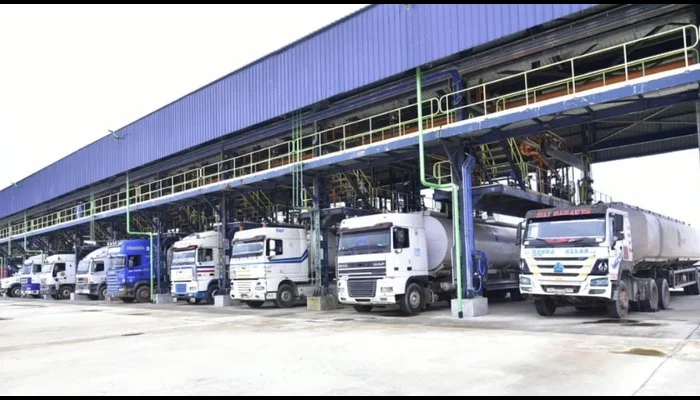
April 2026 saw the Dangote Petroleum Refinery & Petrochemicals move roughly 1.66 billion litres of refined fuel, according to figures released by the NMDPRA. While oversight falls to Nigeria’s midstream and downstream watchdog, the volume reflects one month of output activity at the facility. Numbers like these often surface after routine reporting cycles wrap up. Tracking such flows helps clarify domestic supply patterns over time.
True, when things unfolded mattered just as much. Right then, pressure across the Middle East was building fast – U.S. and Iran locked in a standoff – investors eyeing shipping lanes, wondering how bad it might get if sparks turned into flames.
Back in April 2026, the numbers told a clear story – Nigeria shipped around 513 million litres of petrol. Moving past gasoline, exports jumped to 534 million litres of diesel. Then came aviation fuel, topping it all with nearly 615 million litres leaving the country. Taken together, those figures add up fast. Far from minor, the total volume speaks for itself.
These days, Nigeria’s lone major refinery humming along at full speed belongs to Dangote – supplying the home market while shipping extra abroad. This shift? It speaks volumes.
This time, exports reached such heights for the first time ever – jet fuel and diesel leading the way – a clear sign of what the Lekki refinery in Lagos can do at full tilt. That daily output equals about 55.4 million litres flowing out without pause. All of it happening now.
Right now, eyes stay locked on the Strait of Hormuz as world oil markets hold their breath. This narrow waterway moves massive amounts of unprocessed and finished oil. Because talks between U.S. leaders and Iranian officials keep stalling, tension grows. Any sudden blockage looms large. When it comes, the pain will spread quickly.
Some folks in the field reckon shaky conditions often steer customers to pick backup sources they trust more. Because of that, places across Europe, Africa, and bits of Asia start scouting for consistent alternatives – with Nigeria now on their list.
A single NMDPRA report points out that Nigerian refineries operated near full strength during April – hitting a combined 99.12%. Dangote carried the largest share of output, running nonstop on nearly every day. Full-throttle operation was common there, according to oversight records.
Eighteen point three seven million barrels arrived at home refineries in April. This marks a rise compared to March’s thirteen point eleven million. More crude flowing in tells part of the story. A shift like that carries weight.
It’s worth noting exports held firm despite heavier home delivery targets. The document states daily fuel output averaged 53.6 million litres. Nearly 40.7 million litres covered internal demand on a typical day. Meanwhile, 17.1 million litres found their way overseas every twenty-four hours.
Fuel made from diesel showed sharper figures. Every day, output hit about 23.6 million litres while shipments abroad reached nearly 17.8 million litres each day – well above local availability, which sat at just under 8 million litres a day.
Jet fuel next. Export numbers hit roughly 20.5 million litres daily, while local supply stood at only 2.6 million litres a day. This difference speaks clearly. It shows exactly where demand – and control over price – is guiding flow.
Right when things seem good abroad, trouble brews at home. A short time before, airlines raised alarms – fuel prices climbing too high, forcing possible shutdowns. Even though exports show a boost overseas, those living here face real strain daily.
Now comes word that Nigeria is sending fuel abroad again, something unseen in years. This shift ties back to rising production at Dangote. In March alone, roughly 434 million litres were shipped out. That followed a moment when homegrown supply began surpassing what people inside the country used.
Picture this: Nigeria appears to be inching away from relying on imported refined fuel, edging toward becoming a regional exporter across Africa. Should unrest persist in the Middle East, demand might push Nigerian jet fuel shipments further upward – European markets facing ongoing strain could turn elsewhere.
Pressure here links straight to location. Out of the Middle East flows a big part of the world’s jet fuel, while most of it moves through the Strait of Hormuz. If that waterway wobbles, costs react fast – sudden jitters spread wide.
Even so, people here keep using plenty of fuel. Back in April, according to the NMDPRA, daily petrol use hit roughly 51.1 million litres – just edging past the set target of 50 million. On average, diesel saw a daily draw of 17.3 million litres. As for jet fuel, folks burned close to 2.5 million litres every single day.
Still, despite extra refining at home, fuel costs remained high nationwide. Prices abroad played a role – oil hovered near $120.55 each barrel in April, whereas gas ran close to $1,074.97 per tonne. Simply put, overseas numbers kept tugging domestic ones along.
Surprisingly, Dangote’s 650,000 barrel-per-day refinery isn’t just about fuel. It’s quietly becoming central to how Nigeria handles its power needs. Because of shifting global politics, new paths for trading oil are emerging. This change could let Nigeria earn more money from outside sources. While others hesitate, the refinery gains importance. Geopolitical moves are helping it grow stronger.

Olalekan A. Abudu is a seasoned and dedicated News Journalist at REPORTERS ROOM, with over eight years of experience. He specializes in politics, climate change, health, and education, while also covering security, economic, and judicial issues. Committed to accuracy and balanced reporting, Olalekan exemplifies the principles of public-interest journalism.