


Iran Accuses US of Violating Peace Deal After Fresh Gulf Strikestrike,
By: Abudu Olalekan
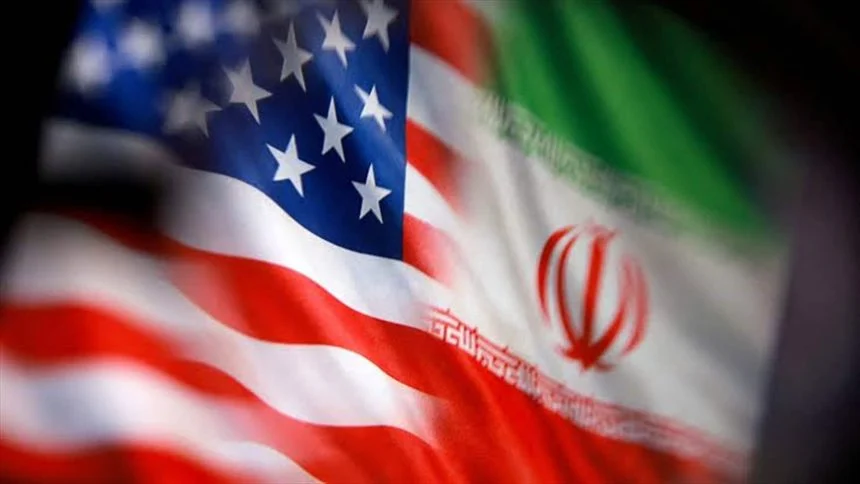
Iran came out swinging on Saturday, accusing Washington of shredding the peace deal after US strikes hit Iranian territory and Tehran fired back at American targets in the Gulf. The whole thing kicked off because, earlier in the week, the US claimed Iran attacked a cargo ship in the Strait of Hormuz. So much for keeping that waterway open while both sides try to hash out a final agreement.
US Central Command, CENTCOM, said they went after Iranian missile and drone storage sites plus some coastal radar positions. Their reason? “Unwarranted aggression against commercial shipping” that “clearly violated the ceasefire.” That’s their story anyway.
But Iran wasn’t having it. The Revolutionary Guards launched their own retaliatory strikes, then the foreign ministry called the US attacks “brutal” and a “blatant violation” of the memorandum of understanding to end the war. The Guards put out a statement on Telegram through state TV, they struck US sites in the Gulf and warned, “if the aggression is repeated, our response will be broader than this.”
Then Bahrain jumped in. Their foreign ministry said Iranian drones targeted them early Saturday, condemned the whole mess, and accused Tehran of “sabotaging peace efforts.”
Iranian state TV had a reporter in Sirik, a southern city, who said an explosion ripped through a pier late Friday. A military source told them a “projectile impact” caused it. But Mehr news agency walked it back a bit, said Sirik Port is running normally and no damage to equipment or facilities.
CENTCOM wasn’t backing down. They called their operation “a powerful response to yesterday’s attack on a commercial ship that was transiting the Strait of Hormuz.”
President Donald Trump had already weighed in, calling the Iranian drone strike on the vessel “a foolish violation of our ceasefire agreement.” And Vice President JD Vance went straight to X, posting that “violence will be met with violence” if Iran tries anything else.
Here’s where it gets tricky. Iran told vessels not to enter or leave the Gulf through the strait without permission. Ships kept moving anyway, some took routes Tehran never authorised. Business as usual, sort of.
Weirdly, oil prices actually fell sharply despite the fireworks. Markets are betting Hormuz traffic keeps recovering, and that’s a big deal since the strait normally handles about a fifth of the world’s oil and gas exports.
While all this was going down, Israel and Lebanon signed a framework with the US on Friday. They’re calling it a path to peace on their front. Hezbollah, which Iran backs, immediately warned the deal would wreck plans to solve the broader conflict.
The agreement puts Lebanese soldiers in control of two areas Israel occupied, plus there’s a process to disarm Hezbollah. Five rounds of talks in Washington got them here. Secretary of State Marco Rubio stood there with Israeli and Lebanese envoys and said the accord “begins to put in place a framework for lasting peace and security.”
Netanyahu called it a win against Iran. He says the Lebanese army can return to two pilot areas in southern Lebanon, but Israeli forces stay put in their security zone until Hezbollah disarms. Displaced civilians can’t return yet either.
Lebanese President Joseph Aoun saw it different, or at least tried to. He welcomed the still-unpublished framework as a “first step” toward getting civilians home “under the sovereignty of the Lebanese state.” Meanwhile, Hezbollah supporters hit the streets of Beirut late Friday to make their feelings known.
And then there’s the nuclear question.
The UN’s nuclear watchdog, the IAEA, warned Friday that any final US-Iran deal needs rock-solid safeguards to stop Tehran from building a bomb. Rafael Grossi, the agency chief, said Iran’s been clear they don’t want nukes. “But of course, intentions are not enough. We have to have a very strong verification system in place… as soon as is practicable.” Tehran and Washington are still giving conflicting accounts on whether inspectors will regain access to Iranian facilities. The interim agreement says Iran’s enriched uranium stockpile gets downblended under IAEA supervision. Whether that actually goes smooth, well, that’s the billion-dollar question.

Olalekan A. Abudu is a seasoned and dedicated News Journalist at REPORTERS ROOM, with over eight years of experience. He specializes in politics, climate change, health, and education, while also covering security, economic, and judicial issues. Committed to accuracy and balanced reporting, Olalekan exemplifies the principles of public-interest journalism.
