


Bandit attacks: Fed Govt silently pulls N500bn from FAAC for emergency security fund
By: Abudu Olalekan
N500 billion. It is a massive amount of money. But according to multiple insiders who spoke with Reportersroom, that is exactly what the Federal Government just sliced out of the May 2026 FAAC revenue.
The reason? A massive emergency security fund to tackle escalating bandit attacks and national security crises.
They pulled this cash right before the usual monthly sharing exercise between the federal, state, and local governments. Let’s be real, you don’t just move half a trillion naira without a serious reason.
“FAAC deducted N500bn for national security emergency fund this month,” one senior source confirmed to us.
It explains why there was such a noticeable gap between the total revenue generated and what actually reached the three tiers of government. That’s where the FAAC windfall went to. And the crazy part? State finance commissioners all know about it. They just aren’t talking, which means they are completely in the loop.
We got our hands on an official FAAC allocation document on Thursday. The numbers are wild. About N250bn was stashed aside for a Military Intervention Fund. Another N252bn went to an Infrastructure Development Fund for states. Then there’s a N450bn deduction for the Non-Oil Excess Revenue Account. All together, that is N952bn in major deductions before anyone else got paid.
Despite this, FAAC still distributed N2.3tn for May 2026. A slight bump from April.
While the official communique didn’t spell out the exact items under “transfers and refunds”, our sources confirm the N500bn security cut was part of these pre-distribution adjustments.
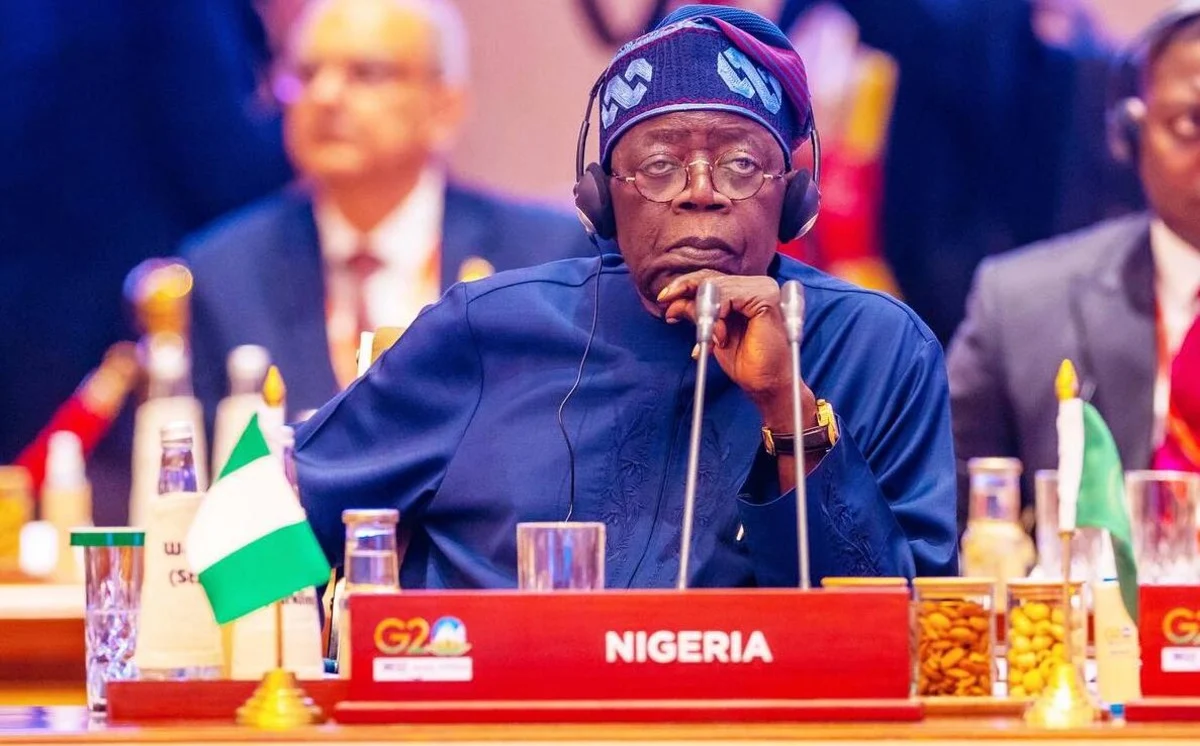
It honestly makes sense why they are doing this. Bandit attacks and mass kidnappings are completely tearing the North-West apart. Then you have the insurgency in the North-East, violent herder-farmer clashes in the Middle Belt, and massive crude oil theft down in the Niger Delta. The country is bleeding from all sides. Billions of naira gets budgeted every year, but the security architecture is stretched way too thin. President Bola Tinubu promised to fix this, and while funding for the armed forces has gone up since May 2023, the threats just keep evolving.
Economists are actually on board
So, what do the experts think? Most economists actually back the move.
Dr. Ayo Teriba, CEO of Economic Associates, told Reportersroom over the phone that no Nigerian in their right mind would oppose better security funding. The gaps are just too obvious. We desperately need better troop funding, modern gear, and more boots on the ground like forest guards.
“Everybody agreed that not enough is being done on security,” he pointed out. He thinks pulling it from FAAC is way better than taxing citizens more. But transparency is key. They gotta show Nigerians the money isn’t just disappearing into thin air.
Prof. Akpan Ekpo from the University of Uyo said basically the same thing. No security means no investments. Simple as that. But he did point out a hard truth—we have thrown billions at security over the years with mixed results. If they don’t use this new emergency fund efficiently, public trust will hit rock bottom.
DSS says ‘No foreign funding’
Speaking of funding, the Department of State Services (DSS) dropped a bit of a bombshell at a public hearing on Thursday. They straight up told the House of Representatives to block international organizations from contributing to their own proposed Security Trust Fund.
Why? Because taking foreign money could expose sensitive intel operations.
Emmanuel Duabry, representing the DSS, said letting foreign interests fund our security raises massive sovereignty red flags. Imagine foreign donors trying to dictate domestic security priorities. Since some insurgents already get foreign backing, taking money from outside sources is super risky. The DSS wants the Trust Fund to strictly rely on local grants and donations.
Even with those concerns, the DSS really wants this bill passed. A dedicated Trust Fund means they can bypass the usual slow budgetary bureaucracy when emergencies hit. Need to buy modern surveillance gear or respond to a terror threat fast? The money would be there. They also want a fixed funding formula so they aren’t at the mercy of the National Assembly’s mood every year.
Duabry also flagged another bill trying to set up a Strategic Intelligence Management Institute. He pointed out it basically does the exact same thing as the existing National Institute for Security Studies. His advice? Redesign it to focus purely on external intelligence to avoid duplicating efforts.
House Committee Chairman Ahmed Satomi promised they’d take all these inputs seriously before moving the bills forward.
DIGs finally relocate
Meanwhile, on the actual ground, things are shifting. The Deputy Inspectors-General (DIGs) of Police have finally relocated to their assigned geopolitical zones.
Force PRO Anthony Placid confirmed they have resumed duties at their new bases. This follows a recent directive from the IGP to bring top-level police leadership closer to the actual crises.
For instance, DIG Fayoade Adegoke already kicked off his South-West tour in Ibadan, meeting with locals and stakeholders. It’s all part of a broader push to decentralize command and actually respond to these bandit attacks faster.

Olalekan A. Abudu is a seasoned and dedicated News Journalist at REPORTERS ROOM, with over eight years of experience. He specializes in politics, climate change, health, and education, while also covering security, economic, and judicial issues. Committed to accuracy and balanced reporting, Olalekan exemplifies the principles of public-interest journalism.
