


Misinformation & Disinformation Session: VIERAA, Reportersroom Engage Agbado Oke-Odo CDC
By: Abudu Olalekan
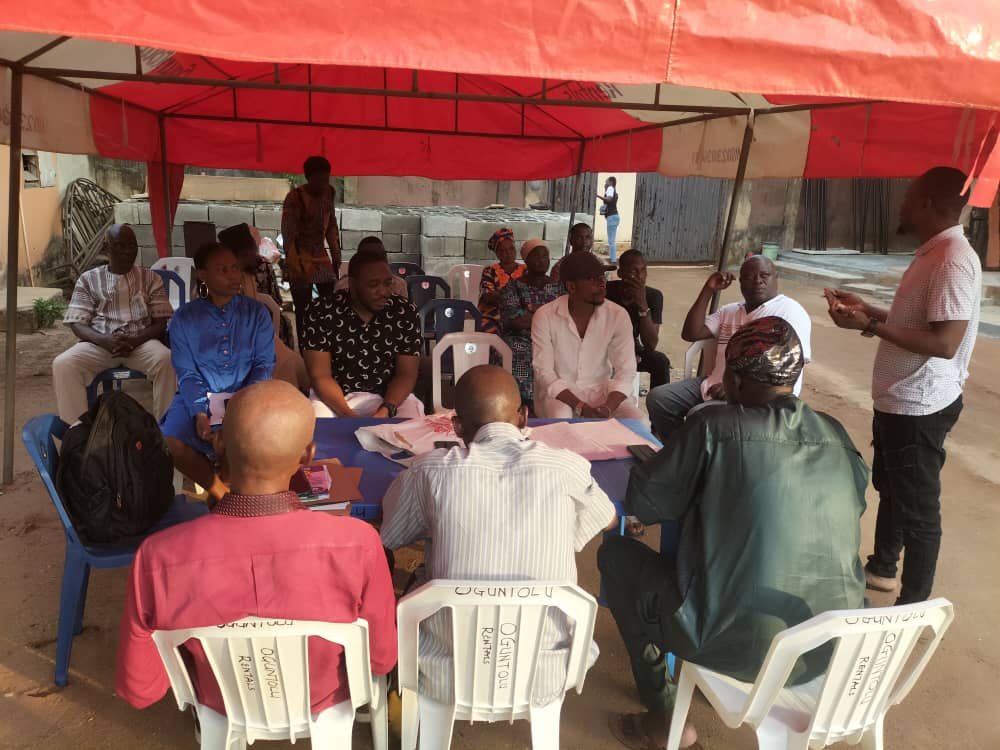
Yesterday wasn’t just another meeting. Not for Ward E in Agbado Oke-Odo LCDA, Lagos. Something different happened there.
VIERAA — that’s Visionary Initiatives for Educational Revitalization and Advancement — teamed up with Reportersroom to pull together a no-holds-barred conversation about misinformation and disinformation. The kind of talk that usually stays in boardrooms. But here, it was brought straight to community leaders, local politicians, opinion shapers, the people who hold real sway in the neighborhood.
And honestly? It got real.
Facilitators kicked off with the basics. Misinformation is false info shared without intent to harm — someone forwarded a message thinking it was true. Disinformation, on the other hand, that’s deliberate. Crafted to twist narratives, manipulate people, push an agenda. You see the difference, right? One is a mistake. The other is a weapon.

The room listened. Nodded along.
But the real fire came during Q&A.
A few participants — active politicians, mind you — didn’t hide it. They openly admitted: yes, disinformation is a threat to democracy. But then came the but. In Nigeria’s political scene, they argued, sometimes you have to use it. To counter the other side’s lies. To stay ahead. Survival tactics, essentially.
That exchange alone shifted the energy. Suddenly everyone was leaning in.
Because here’s the uncomfortable truth that emerged: disinformation isn’t just some foreign actor on social media. It’s often homegrown. Created intentionally by folks pursuing political or personal gain. And normal, everyday people — regular citizens with no ill motives — turn into carriers, spreading the false stuff without knowing. They share it thinking it’s gospel. The consequences? Trust crumbles. Neighbors turn on each other. Elections get muddied. Democracy wobbles.
One participant put it simply: “By the time you realize it’s a lie, the damage is done.”

The facilitators didn’t lecture. They guided. Regardless of where the lie started — a mischief-maker’s phone or a well-meaning aunt’s WhatsApp — the ripple effect is the same. Tensions spike. Reputations go up in smoke. Voters get fooled. And the institutions that hold us together start cracking.
So what’s the fix? Pause. Verify. Think. Then share. Sounds ridiculously easy, but in a world where a retweet takes 0.2 seconds and outrage travels faster than facts, it’s become radical.
VIERAA and Reportersroom made it clear this isn’t a one-off. They’re pushing media literacy, fact-checking culture, responsible digital engagement — the kind that sticks beyond a single session. It’s part of a bigger civic education drive, inspired by the “Truth at the Ballot” programme (that one was run by FactCheckAfrica with FIAP, under the EU’s support to ECOWAS — but here, the energy was pure grassroots).
By the time the session wrapped, the same politicians who’d admitted to playing the disinformation game were now pledging to be ambassadors of truth. Yes, really. They promised to carry the message back to their corners: pause before forwarding, verify before believing, think before posting. It might sound small. But coming from mouths that once saw fake news as strategy, that’s no small shift.
The message they all left with? Facts over falsehoods. That’s how you build peaceful elections. Stronger institutions. A democracy that doesn’t wobble every election cycle.
And if a Wednesday evening chat in Agbado Oke-Odo can plant that seed, I’d say it’s worth it.

Olalekan A. Abudu is a seasoned and dedicated News Journalist at REPORTERS ROOM, with over eight years of experience. He specializes in politics, climate change, health, and education, while also covering security, economic, and judicial issues. Committed to accuracy and balanced reporting, Olalekan exemplifies the principles of public-interest journalism.