


State Climate Action Critical to Nigeria’s Net-Zero Ambition – Alo
By: Abudu Olalekan
Nigeria wants to hit zero emissions by 2060? Good plan. But you know what else? You can’t get there flying solo from Abuja. It’s about getting down to the states. And the local governments. Without them, the whole thing falls apart.
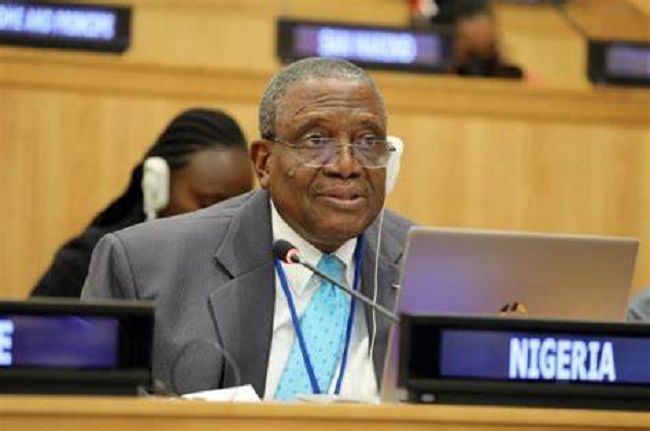
That’s the hard truth dropped by Prof. Babajide Alo. He’s a professor of Chemistry at the University of Lagos. Also served as Deputy Vice Chancellor there. Speaking recently at a Nigerian Academy of Science (NAS) roundtable, he didn’t mince words. The date? Thursday, July 9, 2026. Yeah, it’s looking forward. Anyway, his point remains valid regardless of when you read it.
Alo said something simple but heavy. While the federal government has all these policies, the NDC submissions, and the Great Green Wall going on… the real work isn’t happening there. It’s supposed to happen closer to the people. Because they’re the ones feeling the heat. Literally.
He mentioned the Nigeria Erosion and Watershed Management Project too. NEWMAP. All good initiatives. But they’re stuck at the top. States and local councils, they barely get a look-in. Policy development? Thin. Financing? Even thinner.
This creates a massive gap.
Imagine building a house but ignoring the foundation because the architect lives in London. That’s kinda what’s happening here. Climate impacts bite hardest locally. Floods, droughts, erosion. Yet those communities rarely see the money or the support until disaster strikes.
Most states don’t even have a proper climate policy in their drawer. Budgets are silent on it. Zero dollars allocated usually. Alo called out low climate literacy among state officials too. Weak public awareness. Basically, nobody knows what to do, so they do nothing. Collaboration between sectors? Non-existent. Alignment with national priorities? Forget it.
Unless things change, those institutional weaknesses could kill the net-zero ambition before we even start. Alo wants a framework. Something harmonized. Better coordination. Technical capacity building. Real cash for the programmes. Public awareness campaigns that actually stick.
He stressed something important. Knowledge mobilises action. Everyone needs to understand. Policymakers. Local govt workers. The community members themselves. Why? Because resilience requires lifestyle changes. Green economies. Sustainable living. Not just speeches.
Climate education shouldn’t just be optional. It needs to be central. Especially at the grassroots. Where the people live. Where floods take homes and desertification eats land. The environment is already punishing everyone. Alo described it as a crisis within a crisis.
Health issues are spiking. Older persons. People with disabilities. Women. Children. Homeless populations. They suffer the most. Why? They lack resources. No cars to evacuate during floods. No funds to recover after storms. They’re left holding the bag while others talk strategy.
So what’s the fix?
Stop relying purely on top-down technocratic approaches. Go for Locally Led Adaptation (LLA). Let communities define the problems. Design solutions. Implement them. They got indigenous knowledge too. Stuff science hasn’t cracked yet. Traditional weather forecasting. Rainwater harvesting. Practices that kept African communities alive for generations.
Empowering people makes things stick. Improves sustainability. Builds social cohesion. Helps peacebuilding in conflict areas too. Makes better use of scarce resources.
Alo noted a big problem though. Financing. Globally, everyone talks about community-led adaptation. But money doesn’t flow down. He estimated less than 10 percent of international climate finance reaches local communities directly. That’s shocking considering how much risk they bear. Reforms needed. Channel more resources to community-based institutions.
Recommendations came thick and fast. Direct financing for local projects. Stronger planning skills for local councils. Expanded technical support. Accountability checks during implementation. Plus promote climate-resilient livelihoods. Sustainable agriculture. Renewable energy. Eco-tourism. Green enterprises that create jobs while reducing vulnerability.
Scaling up successful initiatives matters too. Disaster risk reduction managed locally. Ecosystem restoration. Early warning systems led by the people involved. Save lives. Save property.
Bottom line, achieving Nigeria’s ambitions means investing heavily in subnational governance. Dedicated budget lines for climate change in state coffers. More awareness campaigns. Better collaboration across federal, state, and local levels. Continuous monitoring of impacts. Regular reviews to reflect reality. Policies designed with active community participation work best. Ownership ensures accountability. Long-term sustainability follows.
“Empowering communities is not only a strategy for survival; it is a proactive way to build a more equitable and sustainable world,” Alo concluded. Ensuring livelihoods and ecosystems survive for future generations as the climate shifts. Important sentiment.
Prof. Chinedum Babalola weighed in too. Public Affairs Secretary at NAS. She said this roundtable helps publicise science’s impact on daily lives. Science shouldn’t hide in journals or labs. It needs to speak to policy, business, and the people. She flagged media as the bridge translating evidence into action.
Theme timing was spot on. Impacts felt right now. Flooding leads to cholera outbreaks. Heatwaves worsen cardiovascular disease. Rainfall patterns mess with food and nutrition. Air pollution drives respiratory illness. These aren’t theoretical risks anymore. They’re current realities.
Mr. Wale Fatade, Executive Director of Media Support Centre, echoed that view. Media acts as critical bridge between complex research and everyday lives. Coverage shapes perception. Prioritisation. Response. Fatade urged journalists to distill complex terms into simpler languages. Deepen public understanding. Increase impact. Reportersroom brings this conversation forward.
Because if you don’t tell the story, no one understands the urgency. And without understanding, there is no action.

Olalekan A. Abudu is a seasoned and dedicated News Journalist at REPORTERS ROOM, with over eight years of experience. He specializes in politics, climate change, health, and education, while also covering security, economic, and judicial issues. Committed to accuracy and balanced reporting, Olalekan exemplifies the principles of public-interest journalism.