


UN General Assembly Affirmation of States’ Obligations to Protect Climate System: Why This Actually Matters
By: Abudu Olalekan
Fourteen dozen nations now treat climate protection like a rule, not a choice. This shift began when the United Nations made a rare move in voting history. Lawyers have started paying close attention ever since. The decision wasn’t loud – yet it echoes through courtrooms worldwide. A quiet turning point emerged where policy meets legal duty. Not every change shouts; some arrive in documents signed late at night. Now duties form around warming, shaped by ballots cast far from public view.
Last week rewrote it all.
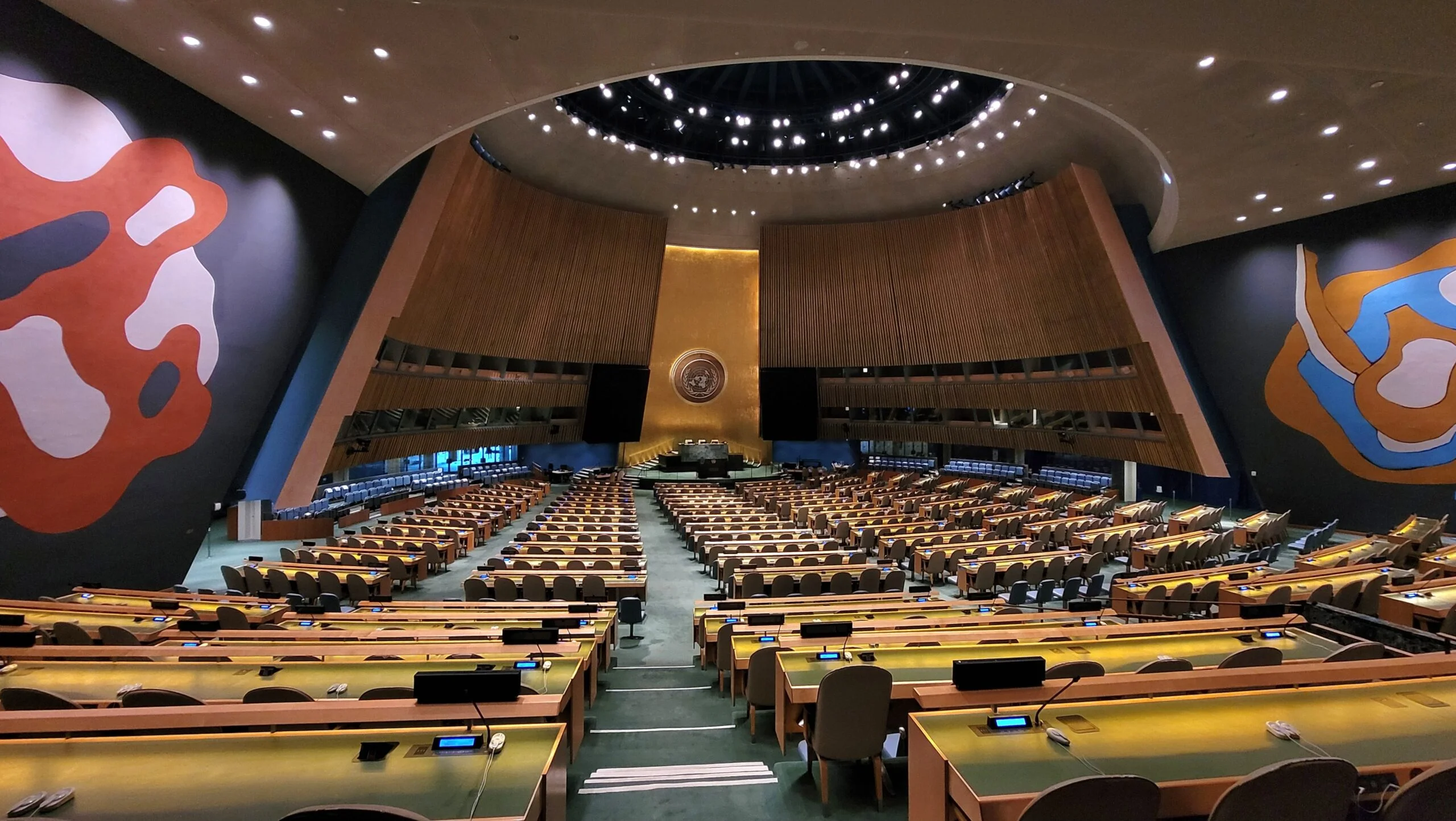
One day in May 2026 changed things quietly. The UN General Assembly said yes – 141 times, while only eight whispered no. This wasn’t close. A shift arrived through paper and votes. An opinion emerged, sharp and rare, calling protection of the climate mandatory. Countries now face it as duty, not choice. Must isn’t soft here. It bites.
Years passed before the decision finally came through, pushed hard by Vanuatu and fellow islands seeing coastlines vanish bit by bit. Far from distant, this moment ties back to everyone breathing today.
What does any of this really mean? Yet even without legal force, it still matters. Why pay attention? Because people act on what they believe.
Let me break it down.
It Began as a School Assignment
No, really.
Out of patience with endless speeches and zero results, some Pacific islanders studying law took matters into their own hands. Diving deep into legal texts was how it kicked off. A task meant for school slowly shifted toward something bigger – worldwide attention followed without warning.
Ball in hand, Vanuatu moved fast. By 2023, a proposal emerged – seek clarity from the International Court of Justice, the United Nations’ highest legal authority, on whether major polluters violate global rules. Two years later, the court responded clearly: nations must act, bound by international law to shield the planet from climate harm. Full stop.
When proof ties damage directly to their actions, payment could follow. Rising oceans may come with costs. So might violent storms. The mess left behind? Someone else might foot that bill.
Last week’s tally in the General Assembly? Picture it like the UN pressing down hard with an official seal. That view now carries weight because of what happened there.
Okay but is it binding?
Truth is, it never was. Still isn’t.
This resolution, much like the ICJ’s view, holds no power to force change. No nations will find officers knocking next morning, ordering coal facilities closed.
Just because it’s not perfect doesn’t mean it has no value. Far from it.
Why This Matters
For one thing, court rulings have gone their way lately. That means long fights finally ended in wins. Some legal barriers dropped without expected delays. Progress showed up when it seemed stuck before. Now voices that were ignored gain real weight. Changes once thought impossible feel reachable today.
Right away, this became a powerful political moment. A total of 141 nations raised their hands, signaling they support the move. Such widespread agreement unsettles diplomats; it also has oil company leaders reaching for medicine. Clearly, there’s real intent behind it, despite the rules still taking shape.
That vote backs up rules already on the books. Think of it as a nudge – clearing up any doubt about the Paris deal being more than polite words. Nations promised to limit heating far under 2°C, aiming even lower at 1.5°C. Now this moment confirms: those promises bind, they do not float.
Now think about courtrooms. By June 2025, nearly three thousand one hundred climate cases move slowly through legal systems across the planet. In 2017, that number sat at just under nine hundred. Growth like that changes what happens inside hearing rooms. Judges can now look to this decision when weighing arguments. Not just political – handling climate change is required by global rules. Communities taking on heavy polluters might win more often now.
Truth hits hardest when breathing feels hard. Tensions stretch thin between nations, no sugarcoating. One hundred forty-one places finding common ground? Near impossible. Agreeing the wealthy must fix their mess? A moment worth remembering.
The Reaction
Out front, António Guterres spoke clear – no holding back. This moment? A strong nod to global rules, fairness on climate, facts rooted in research. As head of the United Nations, his message landed without soft edges
Emotions ran high in Vanuatu. Terms like “deeply significant” were used, especially by nations already on edge. Here’s what’s clear – global temperatures keep climbing faster than expected. According to a 2025 UNEP analysis, the 1.5°C limit may be crossed before ten years pass. Think flooded coasts, severe water shortages, whole communities forced to move.
Faster every second slips the chance to act. On whom does the law stand when waters rise? With those soaked by floods, this decision declares.
What Happens Next
Come 2027, the UN chief must deliver a report on how to make rules stick. That could mean regular reviews so nations follow through. The idea is to ensure promises aren’t just words. Some see it as a chance for real accountability.
Truth is, a document on its own changes nothing. What matters? Real money flowing in – along with genuine commitment from governments. Without deep cuts in pollution fast, holding to 1.5°C slips out of reach.
This fight begins with paper, yet it carries weight. For those who speak up, it becomes leverage. Polluters will feel its shadow across their operations. The fragile among us gain something rare – eyes upon the truth.
Frustration sparked it – law students weary of delays. That spark? Enough now and then.

Olalekan A. Abudu is a seasoned and dedicated News Journalist at REPORTERS ROOM, with over eight years of experience. He specializes in politics, climate change, health, and education, while also covering security, economic, and judicial issues. Committed to accuracy and balanced reporting, Olalekan exemplifies the principles of public-interest journalism.

