


ISIS Moves Operations to West Africa: US Issues Fresh Warning
By: Abudu Olalekan
Battle plans for 2026 spotlight Nigeria along with waters near Chad. When Syrian strongholds crumbled, ISIS fighters scattered toward new zones
Out there, signs show what’s coming. Nigeria and the Lake Chad Basin now stand named by the U.S. as key zones for its 2026 fight against terrorism. This isn’t subtle – it hits hard. Across Africa, extremist factions are not fading away; instead, they’re gaining strength. Safety worldwide feels the ripple – Washington sees it clearly.
Reading the strategy paper tells you what matters most. Across Africa – places like West Africa, the Sahel, around Lake Chad, stretching into Mozambique and Somalia – things are heating up again. Attacks by extremist groups are rising fast. That shift came after ISIS lost its base camps in Iraq and Syria. Fighters scattered. They moved on.
Out there, leftover fighters from ISIS plus similar extremist crews have shifted operations toward Africa and parts of Central Asia. Moving quietly, they slip into areas where oversight is thin. With little resistance in place, these zones open wide. No one watching closely means room to grow without notice. Open ground, untouched by authority, becomes their base.
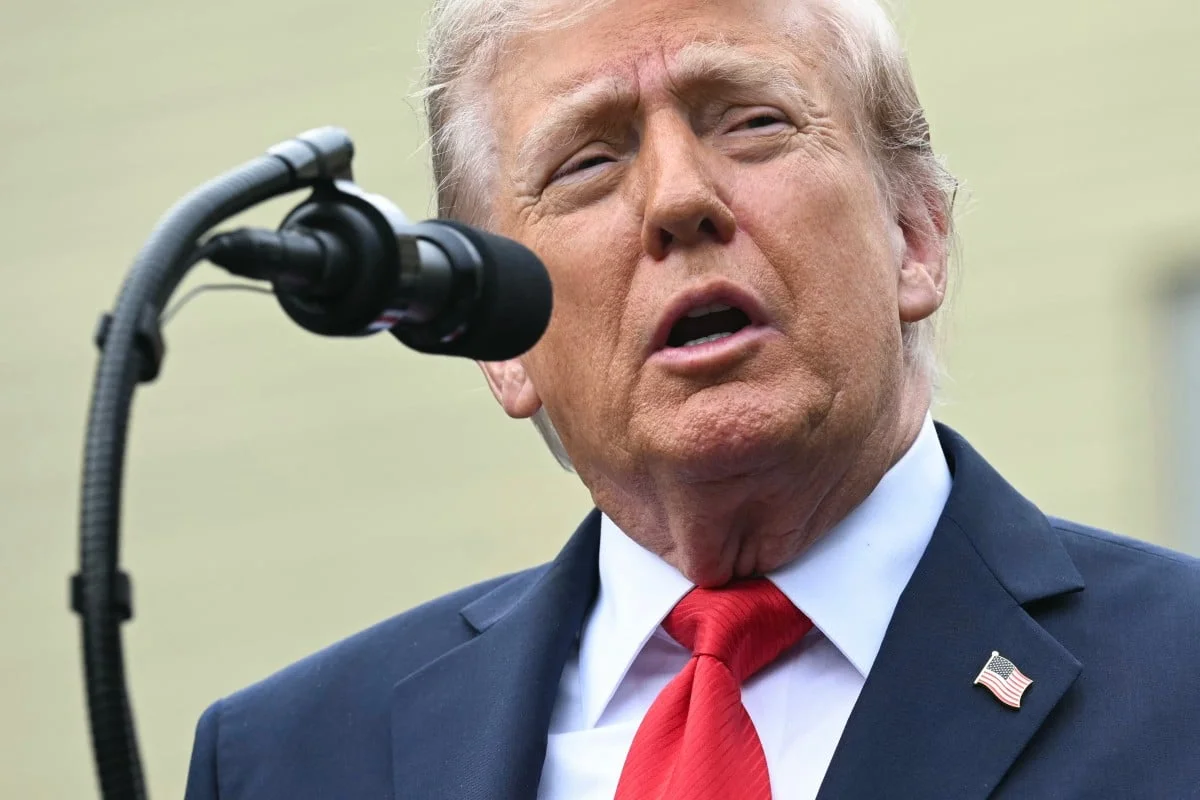
There’s a quote in there that stands out. It says, “President Trump unleashed the greatest fighting force the world has ever seen, and within a matter of weeks, a Jihadi insurgency which controlled vast territories across Iraq and Syria was gone.”
Pretty bold statement.
Reality hit hard. From the ashes of defeat, fighters once branded history’s deadliest militants began moving. Not together – survival split them apart. Into Africa first. Then pockets across Central Asia. Where laws faded, they settled. Silent. Waiting.
“As a result, today, there are parts of Africa where a resurgent terror threat is the reality.”
Out west, across parts of Africa near the Sahara, activity shows up again. The area around Lake Chad comes into view, alongside stretches down south like Mozambique. Up north, Sudan appears on that list as well. Then there is Somalia – always mentioned. Groups once thought weakened have found footing once more. One such force ties back to ISIS, now regaining presence. Another, rooted in clan structures, pushes forward with religious motives – that would be Al Shabaab.
What will America choose to respond with next?
Stopping extremists from building launchpads near U.S. targets drives the mission forward. A new 9/11-style plot forming in the Sahel sits high on their list of worries.
Still moving forward alongside nations at risk from ISIS and similar networks targeting both sides, the report notes. These efforts bring concrete tips on threats. Building stronger counterterrorism units stays part of it. Progress means staying close until dangers fade enough that neither side feels the pressure anymore.
Here’s something else worth noting – safeguarding Christians under threat from extremist factions sits high on the government’s list. This isn’t tucked away in fine print somewhere.
Washington plans to strengthen one-on-one anti-terrorism partnerships across Africa. Yet at the same time, troop presence will shrink. The goal? Fewer boots on the ground.
Now things are changing. Heavy criticism came their way about earlier American strategies abroad during ex-President Joe Biden’s time. Those choices supposedly damaged work against terrorism. With attention elsewhere, militant groups found space to reassemble across African regions.
That report called out violence against Christians in Nigeria. President Donald Trump stepped in, according to the text. His moves drew attention. Details were included. The account focused sharply on those steps.
“With the decisive action President Trump recently took in Nigeria, he made it clear that the slaughter of Christians will not go unchecked,” the document stated.
They even quoted Trump. Supposedly on Christmas Day in 2025, he said, “I have previously warned these terrorists that if they did not stop the slaughtering of Christians, there would be hell to pay, and tonight, there was.”
Heavy words.
Now comes the turn for African nations to take lead. A light U.S. military presence will remain across the continent. Regional allies are expected to handle growing security demands. Information flows between agencies continue. Joint efforts in the field still happen. Much depends on local decisions these days.
African countries hold vast possibilities, the plan says. Yet one thing stands in the way. Without firm authority across their lands, progress halts. Terror networks thrive where state presence fades. When leaders fail to secure borders, danger remains close. Power must reach every region – or risks grow unchecked.
Here’s the thing. Many pieces fit together in messy ways. Still, Washington speaks without hesitation. When ISIS shifts into West Africa, consequences follow for all involved.

Olalekan A. Abudu is a seasoned and dedicated News Journalist at REPORTERS ROOM, with over eight years of experience. He specializes in politics, climate change, health, and education, while also covering security, economic, and judicial issues. Committed to accuracy and balanced reporting, Olalekan exemplifies the principles of public-interest journalism.

