


Transparency Is Not Just Paperwork — It’s the Backbone of Real Climate Progress
By: Abudu Olalekan
Transparency isn’t the boring part of climate policy. It’s actually the part that makes everything else work.
As countries gear up for their next round of climate transparency reports under the Paris Agreement, the message coming out of the 2026 June Climate Meetings in Bonn was loud and clear — the Enhanced Transparency Framework (ETF) isn’t just some reporting checkbox. It’s a strategic tool. One that sharpens decision-making, pulls in investment, and turns lofty climate pledges into things you can actually see and measure on the ground.
When Everyone Talks, Progress Happens
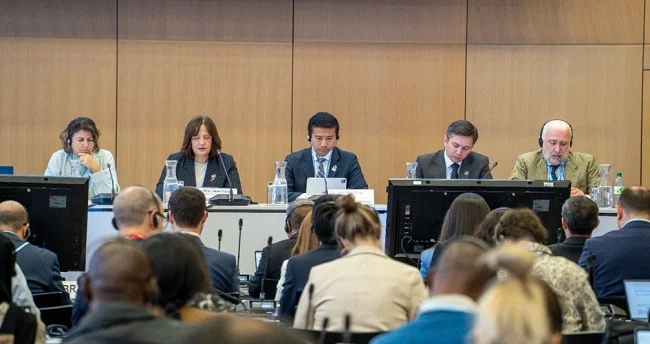
The high-level dialogue on transparency — organised jointly by UN Climate Change’s #Together4Transparency initiative, the Baku Global Climate Transparency Platform (under the COP29 Presidency), and the COP30 and COP31 Presidencies — wasn’t your typical talk shop.
Heads of delegation, senior government officials, big international organisations, and transparency experts all sat in the same room. The goal? Take stock of where things stand and build the kind of political momentum that keeps ETF implementation moving even when the spotlight shifts elsewhere.
Fatma Varank, who serves as CEO for COP31 and Deputy Minister of Environment, Urbanisation and Climate Change in Türkiye, put it plainly. Transparency, she said, is a “strategic tool that supports the development of stronger climate policies, enhances coordination among public institutions, strengthens the investment and financing environment, and reinforces countries’ long-term transformation capacities.”
In other words, it’s not about collecting data for the sake of data. It’s about using that data to make better decisions.
Why Reports Actually Matter
Chao Feng, COP31’s Deputy Chief Negotiator, laid out the practical side of things. Biennial Transparency Reports (BTRs) aren’t just documents that sit in a drawer somewhere. They underpin global climate policy, feed into the global stocktake, and shape how money flows and decisions get made.
That’s a big deal when you think about it. If countries don’t report accurately and consistently, the whole system of tracking global progress starts to wobble.
What Countries Are Learning — The Hard Way
One theme kept coming up throughout the dialogue: getting the institutional arrangements right matters. A lot.
Countries talked about the need to invest in homegrown expertise, weave transparency systems across different sectors, and build coordination between national and local levels of government. They also swapped stories — what’s worked, what hasn’t, and where the real bottlenecks are.
Yalchin Rafiyev, COP29 Chief Negotiator and Azerbaijan’s Deputy Foreign Minister, reflected on how far things have come. “With the completion of the first full BTR cycle, we have a valuable stock of knowledge, lessons learned, and practical experience to build upon,” he noted. And with the next round of BTRs on the horizon, the timing is critical — especially as countries push forward with their updated Nationally Determined Contributions (NDCs), National Adaptation Plans (NAPs), and the New Collective Quantified Goal on climate finance.
More Than Just Reporting
Here’s what a lot of people miss about transparency: the benefits go way beyond the reports themselves.
Countries that have gone through the BTR process reported real improvements — better data management, stronger coordination between government agencies, sharper policy planning, and more meaningful engagement with stakeholders. Not to mention a clearer picture of where the gaps are and what needs fixing.
The Support Gap Is Real
But let’s not sugarcoat it. There are still major hurdles, especially for developing countries that lack the technical know-how and the financial muscle to fully engage with the ETF.
Ambassador Liliam Chagas, COP30 Chief Negotiator, was direct about this. “If implementation is to advance at the speed and scale required, support must also become more accessible, more predictable, and more responsive to national realities.”
No country should be left scrambling to meet transparency requirements without the tools to do it right. And the Bonn meeting made space for that conversation too.
Organisations like the Consultative Group of Experts, UNEP, UNDP, the GEF, ICAT, and FAO all shared what they’re doing on the ground — funding, technical assistance, capacity building. The underlying message? International cooperation and peer learning aren’t optional extras. They’re essential infrastructure for making the ETF work.
What Comes Next
With 2026 marking the year for second BTR submissions, the pressure is on. Countries are being urged to submit on time and to make sure their reports are solid.
But submissions are only half the story. After the reports land, the technical expert reviews (TERs) and the facilitative multilateral consideration of progress (FMCP) need to happen without delays. That’s how countries get meaningful feedback and keep improving. Of course, none of this comes cheap — adequate human and financial resources will be key to keeping pace with the growing volume of submissions.
Xuehong Wang, UN Climate Change’s Transparency Director, wrapped up the event by highlighting the secretariat’s efforts to find more innovative and efficient ways to support TERs and the FMCP — while making the whole transparency process more coherent and effective.
The room didn’t leave Bonn with just promises. There was a concrete plan: keep the momentum going through high-level engagements throughout the year, including Climate Week in Baku this September and a ministerial event tied to COP31 in Antalya come November.
Because at the end of the day, transparency isn’t about transparency for its own sake. It’s about making sure climate action actually delivers.

Olalekan A. Abudu is a seasoned and dedicated News Journalist at REPORTERS ROOM, with over eight years of experience. He specializes in politics, climate change, health, and education, while also covering security, economic, and judicial issues. Committed to accuracy and balanced reporting, Olalekan exemplifies the principles of public-interest journalism.