


Flood Alert 2026 – Why Abia and Other High-Risk States Must Act Now
By: Abudu Olalekan
Floods move without warning. Right now, seconds count in places like Abia and other danger zones across Nigeria.
Flood warnings for 2026 have been issued by the federal government – Aba and nearby areas might face tough times ahead, judging by past patterns. FENRAD Nigeria speaks plainly; their urgent message carries weight. Because experience shows these regions often bear the brunt when waters rise. While officials release forecasts, local realities tend to hit harder than expected.
Aba’s Flood Problem? It’s Not New.
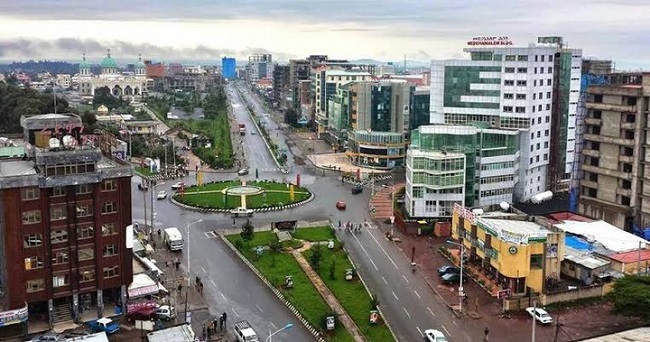
Water swallows Aba again, one more time. This city in Nigeria’s southeast never escapes it. Drainage fails here – has always failed. Expansion creeps further without planning. Waste piles grow until they block every channel. Rain arrives hard each year from April onward. The worst crashes down midyear through early autumn. Not news anymore. More like a clock ticking toward what everyone sees coming.
The worst-hit spots?
Aba South LGA includes Ariaria – known for its market bustle. Moving along Cemetery Road, life slows near old markers. Ngwa Road cuts through busy corners where traders call out prices. Eziukwu holds pockets of quiet between louder stretches. Up on Ogbor Hill, Waterside spreads with uneven rooftops below. Asa blends into Ndiegoro without clear borders, just shifting scenes.
Aba North LGA includes Ogbor Hill – quiet streets climbing upward. Osusu sits nearby, linked by footpaths and shared markets. Uratta stretches out where farmland meets roadside stalls. The World Bank Housing Estate stands apart, built with tight rows of matching homes. Umuola fills the edge, close to streams and red-dirt roads.
Beyond Aba lies Umuahia – spots like Amuzukwu and Isi Gate tucked within. Uturu sits inside Isuikwuato, a place that holds its own rhythm. Ugwunagbo stretches quiet into the edges of thought. Places such as Ukwa West rise without hurry. Mgboko, Owoahiafo, Ntigha – all part of Obingwa – carry names like echoes through trees.
Out here, danger keeps coming back for more. With nothing holding nature in check, the ground washes away while broken systems fail to respond – leaving spots exposed again and again. Laws exist on paper, yet no one acts, so collapse follows collapse without surprise.
What Works Instead?
FENRAD does more than assign blame – they map a way forward. Because change kicks off when governments act, communities join, while media steps into the light.
Who should handle each task looks like this:
Abia State Government and Local Councils
Water won’t flow unless those drains are clean. Better move fast. Clogs wait for nobody.
Fines hit hard when rules get broken – make sure they stick. Silence only feeds neglect; consequences must follow.
Build cities with care instead of chaos. A smarter layout today means fewer problems tomorrow.
Start with sidewalks that survive heavy rains. Try stronger drains, improved trash collection – the kind of fixes towns actually need. Build things to last when water rises.
community leaders youth groups residents
It has to happen. Get nearby people involved. Walk them through tossing trash the right way.
Start by learning the paths out of your area. Try walking them once in a while.
Start now. Staying ready for floods takes more than just officials doing their part.
NEMA & SEMA:
Faults showing up early? Better shout it from the rooftops.
When trouble nears, send help fast – before waves climb higher.
Got relief supplies? Store those where damage hits hardest.
Civil Society and Development Partners
When people need info, pay for those ads. Government money goes there.
Weather changes demand new ways to cope. Try pushing ahead on solutions that fit shifting conditions.
Help people first – send what matters straight to those who need it.
Media (That’s Us – Reportersroom):
Stay on top of updates. When flood warnings pop up, they need more than just a quick mention.
Start by checking where the info comes from. False details can be just as deadly as rising water.
The Bottom Line?
Floods might just slip by without chaos – when action comes early, they needn’t rage. Timing shifts everything.
FENRAD speaks plainly: getting ready now means fewer tragedies later. Not words alone – they act, partnering whoever steps forward. Ready when needed, that’s their way.
Here we are, Abia. Places like you face tough odds too. Now it’s your turn to move. Sit back while the flood creeps up? Or start stacking bricks before the rain comes.
It’s up to you now. Still, time won’t wait.

Olalekan A. Abudu is a seasoned and dedicated News Journalist at REPORTERS ROOM, with over eight years of experience. He specializes in politics, climate change, health, and education, while also covering security, economic, and judicial issues. Committed to accuracy and balanced reporting, Olalekan exemplifies the principles of public-interest journalism.
